
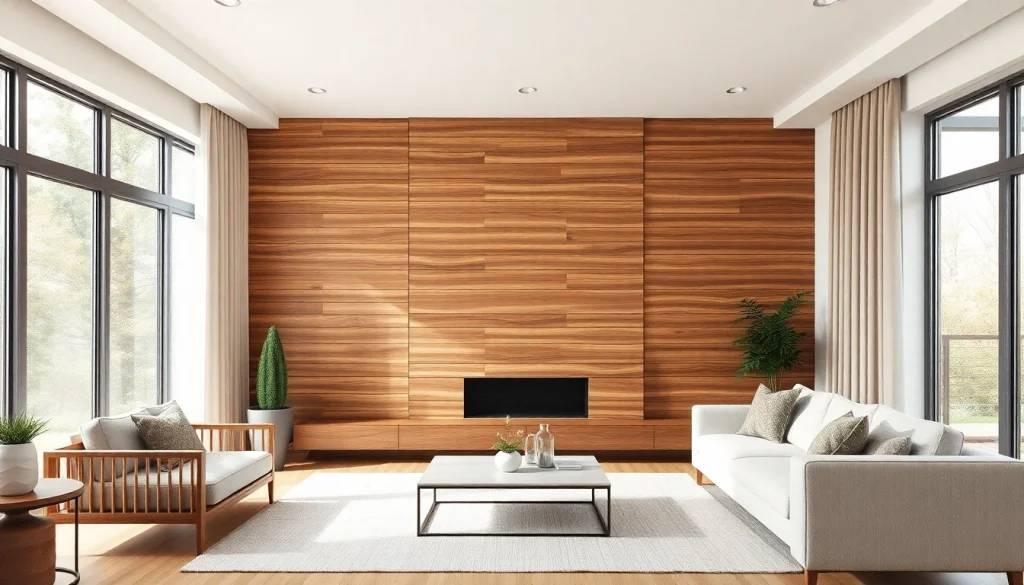
Understanding the Basics of Wood Slat
What is Wood Slat?
Wood slat refers to narrow strips of wood that are often used as a design element in various applications, including wall paneling, furniture, and architectural features. Popular in contemporary and minimalist designs, wood slats can create visual interest and warmth in a space. Their versatility allows them to be utilized in residential and commercial interiors, offering both functional and aesthetic benefits. Many homeowners and designers choose to incorporate wood slat for its natural beauty and adaptability in different design contexts.
History and Evolution of Wood Slat Design
The use of wood slats in design can be traced back centuries. Historically, wooden slats were used in construction for structural purposes, providing support for plaster or serving as framework for roofs. Over time, the aesthetic appeal of wood slat designs emerged, particularly in Japanese architecture, which emphasized simplicity and harmony with nature. Today, wood slats are celebrated for their modern appeal, contributing to various architectural styles, including industrial, mid-century modern, and contemporary designs.
Applications in Interior Design
Wood slats are versatile and can be incorporated into various interior design elements. They are popularly used as wall paneling, ceilings, dividers, furniture, and even in decorative accents. For instance, wood slat wall panels can transform a room by adding texture and depth while also enhancing acoustics. In commercial spaces, such as offices and cafes, wood slats create a warm and inviting atmosphere that can impress clients and customers.
Benefits of Incorporating Wood Slat
Aesthetic Appeal
One of the primary reasons for incorporating wood slat into design is the aesthetic appeal they offer. The natural grain of the wood provides warmth and character to any space. Wood slats can be finished in various stains, paints, or left natural to suit individual design preferences. They can be arranged in different patterns, allowing for creative configurations that serve as eye-catching features on walls or ceilings, giving an organic feel to both modern and rustic interiors.
Acoustic Properties
Beyond their visual benefits, wood slats are also proven to improve the acoustic quality of a space. The configuration of slats can absorb and diffuse sound, reducing echoes and creating a more pleasant auditory experience. This is particularly beneficial in places like music studios, home theaters, restaurants, and open offices, where sound levels must be carefully managed for comfort and functionality. Studies have shown that the right placement of wood slat can significantly enhance sound quality in enclosed spaces.
Eco-Friendly Materials
Another advantage of wood slats is their sustainability. Many wood slat products are made from responsibly sourced timber, making them an eco-friendly choice for interior design. Homeowners looking to create a green space can choose wood slats that are made from reclaimed wood or certified sustainable sources. This not only reduces environmental impact but also adds uniqueness to the design, as reclaimed wood often features distinctive wear and character.
Choosing the Right Wood Slat for Your Project
Types of Wood for Slat Designs
When selecting wood slats, consider the type of wood you wish to use. Hardwoods such as oak, maple, and walnut are popular choices due to their durability and beautiful grain patterns. These woods tend to have longer lifespans and can withstand the test of time compared to softer woods like pine or cedar. Ultimately, the choice of wood will depend on the desired aesthetic, practicality, and budget.
Design Styles and Patterns
Wood slats can be arranged in a variety of patterns, including vertical or horizontal alignments, chevron patterns, and waves. Each pattern creates a distinct visual effect that can dramatically change the perception of a space. Vertical slats may give the illusion of height, while horizontal slats can evoke a sense of spaciousness. Choose a pattern that complements the existing design of the room and the architectural features present.
Customization Options
One of the appealing aspects of wood slat designs is the extensive customization options available. Homeowners can choose the width, spacing, and orientation of the slats, as well as the finish. Some may choose to have integrated lighting with slats to create a dramatic effect, while others might prefer simpler configurations. Customization allows each project to be tailored specifically to meet the homeowner’s vision and needs.
Installation Guide for Wood Slat
Tools and Materials Needed
To install wood slats, you’ll need a variety of tools and materials. Basic tools include a tape measure, level, circular saw, drill, and stud finder. Materials typically consist of the wood slats themselves, adhesive, screws, and a backing board if needed. Ensure that all tools are in good condition to make the installation process smoother.
Step-by-Step Installation Process
- Measure the Area: Begin by measuring the area where you intend to install the wood slats. This will help you determine how many slats you need.
- Plan Your Design: Sketch out your design concept, including spacing and orientation of the slats. Having a clear plan will help during installation.
- Cut the Slats: Using your circular saw, cut the slats to the desired length. Make sure to wear safety goggles and follow proper safety procedures.
- Mark Alignment Points: On the wall, use a level and pencil to mark where the slats will be placed. This step is crucial for a professional finish.
- Attach Slats: Apply adhesive or use screws to attach the slats to the wall, starting from one end. Ensure each slat is level and spaced consistently.
- Finish the Edges: Once all slats are installed, you may want to add trim or a finishing coat to enhance the overall look.
Tips for a Professional Finish
To achieve a polished look, consider a few key tips. First, ensure all slats are cut cleanly for consistent length. Second, take your time aligning each slat to avoid discrepancies in spacing. Use a budget-friendly adhesive for a quick installation, or opt for screws for a more permanent fixture. Lastly, finishing touches such as applying polyurethane or varnish can protect the wood and enhance its visual appeal.
Frequently Asked Questions about Wood Slat
How do I clean and maintain wood slat panels?
To maintain wood slat panels, regularly dust with a microfiber cloth and occasionally use a wood cleaner. Avoid exposing the wood to excessive moisture to prevent warping.
Are wood slats suitable for outdoor use?
While wood slats can be used outdoors, they require treatment with weather-resistant finishes to protect against moisture, UV rays, and insect damage.
Can wood slat walls improve acoustics?
Yes, wood slat walls can significantly enhance acoustics by absorbing sound waves, thus reducing echo and improving noise quality in various spaces.
What types of wood are best for slat panels?
Popular choices for wood slat panels include hardwoods like oak, maple, and walnut due to their durability. Softwoods can also be used, but may wear more quickly.
Do I need professional help for installation?
While it’s possible to install wood slat panels as a DIY project, hiring a professional can ensure precise alignment and a clean finish, particularly for complex designs.