
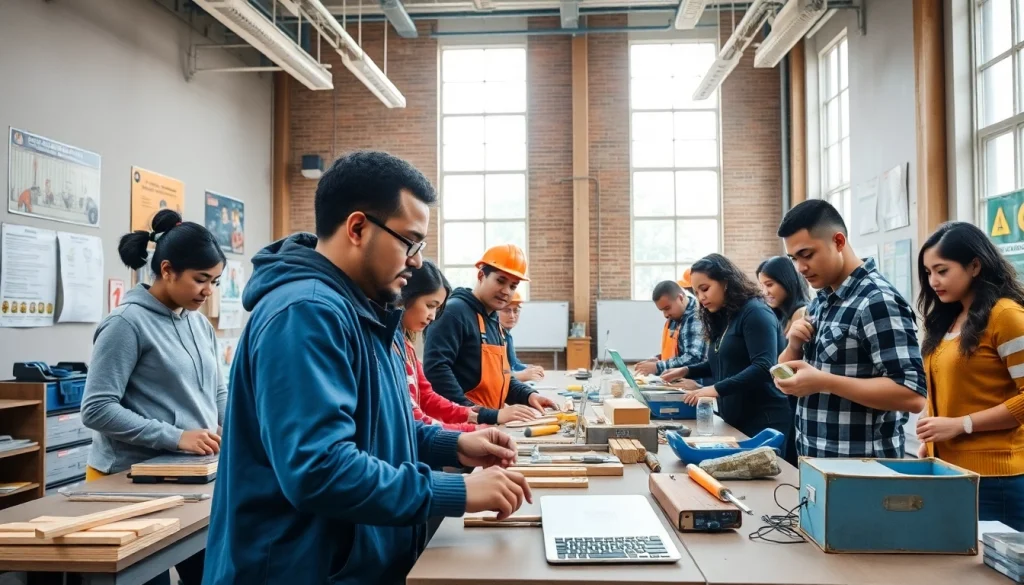
Understanding Construction Training Programs
What Are Construction Training Programs?
Construction training programs are structured courses designed to equip individuals with the skills and knowledge necessary for various roles in the construction industry. These programs can be offered through vocational schools, community colleges, technical institutes, or even online platforms. The curriculum typically covers a wide range of topics, including building codes, safety protocols, project management, and specialized trade skills such as electrical work, plumbing, and carpentry. By participating in construction training programs, students gain valuable hands-on experience and theoretical insights that prepare them for real-world challenges.
Importance of Skilled Workforce in Construction
The construction industry is a cornerstone of the economy, responsible for creating infrastructure and providing jobs. However, the demand for skilled workers often outpaces supply, leading to inefficiencies and project delays. A well-trained workforce not only enhances the quality of work but also ensures that projects are completed on time and within budget. Skilled workers who complete construction training programs tend to have a better understanding of safety practices, new technologies, and industry standards, making them invaluable assets to any project.
Overview of Common Curriculum Content
Construction training programs generally encompass a variety of subjects tailored to meet industry demands. Common curriculum elements include:
- Building Codes and Regulations
- Safety and Health Standards
- Project Management Techniques
- Trade Skills and Specializations
- Use of Construction Tools and Equipment
- Blueprint Reading and Materials Estimation
By covering these essential areas, the programs ensure that participants are well-rounded and prepared to enter the workforce.
Different Types of Construction Training Programs
Short-Term vs. Long-Term Training Options
Construction training programs can typically be classified into short-term and long-term options. Short-term programs often last a few weeks to a few months and focus on specific skills or certifications. These may include safety training or equipment operation. Long-term programs can take one to two years and provide comprehensive training across multiple areas, often culminating in a degree or diploma. Choosing between these types of programs depends on individual career aspirations and time commitment.
Online vs. In-Person Training
With the rise of digital learning platforms, online training has become increasingly popular. Online programs offer flexibility, allowing students to learn at their own pace and on their own schedules. However, in-person training remains crucial for hands-on instruction, especially in skills requiring practical application, such as carpentry or masonry. A balanced approach, combining online theoretical learning with in-person practical experience, can offer the best of both worlds.
Specializations in Construction Fields
The construction industry is vast, comprising various specializations that address specific needs. Common specializations include:
- Electrical Installation and Maintenance
- HVAC Systems
- Plumbing and Pipefitting
- Carpentry and Woodworking
- Heavy Equipment Operation
These specializations allow trainees to focus their skills and align their education with market needs, ultimately increasing their employment prospects.
Benefits of Enrolling in Construction Training Programs
Career Advancement Opportunities
Enrolling in construction training programs significantly opens doors for career advancement. Skilled professionals are often prioritized for promotions and job opportunities due to their specialized knowledge. Many employers seek candidates who have undergone rigorous training, as these individuals typically require less on-the-job training. This emphasis on education can lead to increased job security, higher salaries, and the ability to take on more complex projects.
Gaining Practical Skills and Certifications
Participants of construction training programs not only learn theoretical concepts but also gain practical skills directly applicable in the field. Many programs offer certifications upon completion, which serve as tangible proof of competence in specific areas. These certifications can enhance a resume and significantly improve a candidate’s marketability in a competitive job landscape.
Networking and Industry Connections
Construction training programs often create networking opportunities with industry professionals, instructors, and fellow students. These connections are invaluable for job placement, mentorship, and collaborations. Industry events, job fairs, and alumni gatherings provide additional platforms for students to meet potential employers and learn about job opportunities.
Challenges in Construction Training Programs
Addressing Skill Gaps in the Industry
Despite the benefits of construction training programs, the industry faces significant skill gaps. As technologies evolve and the marketplace changes, training programs must adapt to meet current needs. Regularly updating curricula and incorporating feedback from industry professionals can help ensure that the programs remain relevant and effective at closing skill gaps.
Adapting to New Technologies
The construction sector is rapidly advancing, incorporating new technologies such as Building Information Modeling (BIM), drones for surveying, and smart building technologies. Training programs must evolve alongside these advancements to equip workers with the necessary skills. Integrating technology-focused modules into existing programs can help students stay competitive in the field.
Overcoming Learning Barriers for Students
Some students may face barriers such as financial constraints, time limitations, or learning challenges. Training programs can address these issues by offering flexible payment options, online courses, and support services like tutoring. Providing diverse instructional methods can also cater to varying learning styles, ensuring that all students have the opportunity to succeed.
Future Trends in Construction Training Programs
Incorporating Technology into Training
As technology continues to play an essential role in the construction industry, training programs will increasingly incorporate digital tools. Virtual reality (VR) may be used for immersive training experiences, allowing students to practice skills in simulated environments without the risk associated with real-world practice. Additionally, online platforms offer the advantage of reach, enabling students from remote areas to access quality education.
Sustainability Practices in Training
With growing concern about environmental impacts, sustainability in construction is becoming a focal point. Future training programs will likely emphasize sustainable building practices, energy-efficient technologies, and eco-friendly materials. Understanding green building standards will equip students to meet evolving industry demands and contribute to eco-conscious construction practices.
The Role of Apprenticeships in the Future
Apprenticeships serve as an effective bridge between learning and practical application. They offer students hands-on experience in real-world settings, reinforcing skills learned in formal education. The future of construction training may increasingly integrate apprenticeship models, which not only enhance skill development but also improve employment prospects by allowing students to earn while they learn.
Frequently Asked Questions
What are the costs associated with construction training programs?
Costs can vary widely based on program length and institution. Short courses may range from a few hundred to several thousand dollars, while comprehensive programs could cost significantly more. Many schools offer financial aid options.
How long do construction training programs typically take?
Short-term programs can last from a few weeks to several months, while long-term programs often take one to two years. The duration depends on the type and level of course chosen.
Do I need prior experience to enroll in these programs?
No prior experience is typically required for entry-level courses. However, advanced programs may necessitate some foundational knowledge or previous experience in the field.
Are certifications from training programs recognized in the industry?
Yes, most certifications from accredited training programs are widely recognized by employers and essential for certain positions. They demonstrate proficiency and commitment to the trade.
Can I work while completing my training?
Many construction training programs offer flexible schedules, allowing students to balance work and education. Online courses can be particularly accommodating for working individuals.