
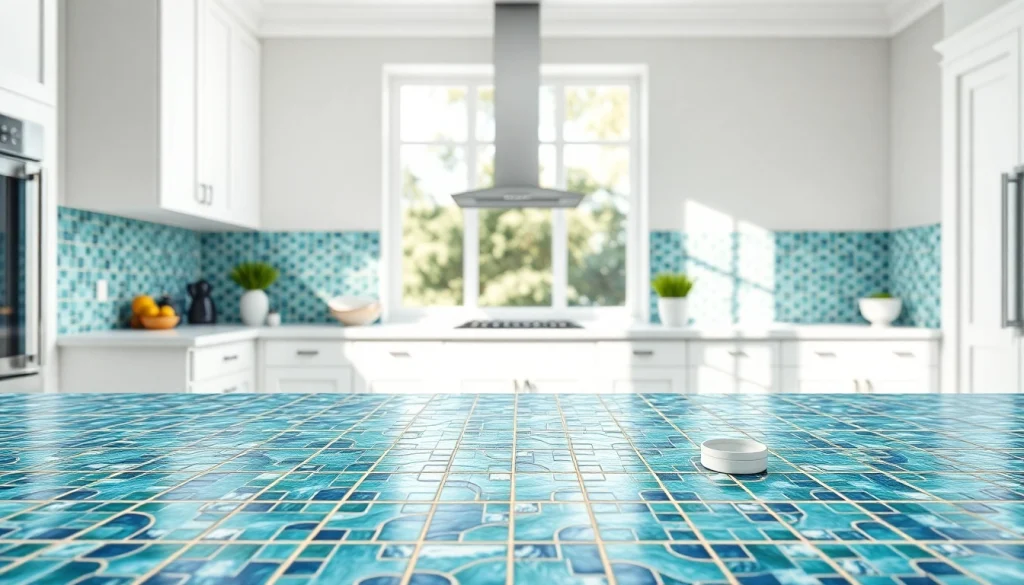
Understanding Tile Types
Popular Tile Materials
When considering tile for your home, understanding the various materials available is essential for achieving your desired aesthetic and functionality. The most popular tile materials include ceramic, porcelain, glass, natural stone, and cement tiles. Each type has its own unique properties, advantages, and best uses.
- Ceramic Tiles: Made from clay, these tiles are popular due to their affordability and variety. They can be glazed for additional protection and design versatility.
- Porcelain Tiles: A denser option, porcelain tiles are fired at higher temperatures. They are suitable for high-moisture areas and withstand heavy traffic.
- Glass Tiles: Known for their reflective properties, glass tiles can create a stunning visual effect. They are often used for backsplashes and accents.
- Natural Stone Tiles: These include granite, marble, and slate. Though stunning and unique, they may require more maintenance.
- Cement Tiles: With unique patterns and colors, cement tiles can be a vibrant choice for those looking to make a statement.
Applications in Home Design
Tiles are incredibly versatile and can be employed in numerous applications within home design. Here are several areas where tiles shine:
- Kitchen Floors and Backsplashes: They are resistant to spills and easy to clean, making them ideal for kitchens.
- Bathroom Walls and Floors: Water resistance adds durability in wet areas, enhancing both aesthetics and hygiene.
- Living Room Accents: Decorative tiles can be used for feature walls or fireplace surrounds, adding character to living spaces.
- Outdoor Patios: Tiles designed for outdoor use can withstand weather conditions while offering a beautiful outdoor space.
Choosing the Right Tile for Your Space
Selecting the right tile involves more than just personal taste; it incorporates considerations like durability, slip resistance, and installation methods. Here are vital tips to guide your selection:
- Consider the Space: High-traffic areas may benefit from harder, more durable tiles like porcelain.
- Think About Maintenance: Tiles that require less upkeep, like glazed ceramic tiles, might appeal to busy homeowners.
- Style Compatibility: Ensure your choice complements the overall design theme of your home, whether it’s modern, traditional, or eclectic.
The Benefits of Using Tile
Durability and Maintenance
One of the most significant advantages of tile is its durability. Tiles resist scratching and staining, making them a long-lasting choice for flooring, walls, and more. Additionally, many tile materials are impervious to water, preventing moisture damage.
Maintenance typically consists of simple cleaning routines. Regular sweeping and mopping can keep tiles looking their best, while occasional sealing of grout lines can prolong their lifespan.
Health and Environmental Benefits
Tiles contribute to a healthier indoor environment as they do not harbor allergens like dust and pet dander, making them ideal for homes with allergies or respiratory issues. Moreover, many tiles are made from sustainable materials like recycled glass, making them an eco-friendly choice. Their longevity also contributes to a reduced environmental impact over time.
Enhancing Aesthetic Appeal
Beyond functionality, tiles offer vast aesthetic possibilities. With numerous colors, patterns, and textures available, tiles can enhance any space. They serve as a backdrop for design themes or can become statement pieces, showcasing intricate designs and craftsmanship.
Tile Installation Methods
DIY Installation Tips
Tile installation can be a rewarding DIY project if done correctly. Begin by preparing the surface and ensuring it is clean and level. Use a suitable underlayment for added stability, and plan your layout before beginning. Here are a few essential tips:
- Gather the Right Tools: Essential tools include tile cutters, spacers, leveling tools, and a trowel.
- Start in the Center: Begin your layout from the center of the room to ensure equal tile distribution.
- Use Thin-Set Mortar: Apply thin-set mortar evenly for the best adhesion.
Hiring a Professional Installer
If DIY installation is not for you, hiring a professional installer can help avoid potential pitfalls. Look for contractors with positive reviews and experience in tile installation. Be sure to verify their licensing and ask about warranties on their work.
Common Mistakes to Avoid
Even seasoned DIYers can make mistakes. Common errors include:
- Improper measuring or cutting, leading to uneven tiles.
- Neglecting to account for expansion gaps, which can cause cracks.
- Using the wrong adhesive for specific tile materials.
By avoiding these pitfalls, you can achieve a professional-looking installation.
Tile Maintenance Best Practices
Cleansing Techniques for Longevity
To keep tiles looking brand new, adopt these cleansing techniques:
- Regular Sweeping: Dust and debris can scratch tiles, so regular removal is crucial.
- Use Appropriate Cleaners: Avoid acidic or overly harsh chemicals that can damage the tile surface.
- Deep Cleaning: Perform deep cleans periodically using a steam cleaner or specialized tile cleaner.
Sealing and Grouting Properly
Sealing extends the life of tile, especially in high-moisture areas. Grout can absorb stains and moisture, thus sealing it beforehand is advisable. Ensure you follow a proper sealing schedule according to the manufacturer’s guidelines to safeguard your tiles.
Preventing Damage to Tile
Preventing damage requires vigilance. Here are some practical strategies:
- Use Area Rugs: In high-traffic areas, rugs can protect tiles from scratches and wear.
- Use Furniture Pads: Attach pads to the bottom of furniture to prevent scratching tiles while moving.
- Address Spills Immediately: Clean spills promptly to prevent staining and moisture damage.
Incorporating Tile into Your Design
Creating a Cohesive Look
To create a cohesive design, consider the color palette and styles throughout your home. Tiles can range from minimalist designs to bold patterns. To harmonize, select tiles that complement other materials, such as wood or stone, that are found in your spaces.
Trendy Tile Designs to Consider
Current trends include large-format tiles that minimize grout lines, geometric patterns that add visual interest, and eco-friendly tiles. Incorporating these trends into your design can keep your space modern and fresh.
Tiles as a Design Statement
Tiles serve not just functional but also aesthetic purposes. A bold tile choice can act as an anchor in a room or a focal point in a design scheme. Feature walls, unique backsplashes, and intricately designed bathroom floors can create a striking statement.
Frequently Asked Questions
What is the best tile material for high-traffic areas?
Porcelain tiles are the best option for high-traffic areas due to their durability and resistance to scratches and stains.
How do I clean and maintain my tile flooring?
Regular sweeping, mopping with mild cleaners, and occasional deep cleaning help maintain tile flooring’s appearance and longevity.
Can I install tile myself, or should I hire professionals?
DIY installation is feasible for experienced individuals. However, hiring professionals can ensure a polished final product if you’re unsure.
How often should I reseal my grout?
Grout should typically be resealed every 1-3 years, depending on traffic and exposure to moisture.
What should I do if my tile breaks?
If a tile breaks, it’s best to replace it as soon as possible. Use a chisel to remove it, then install a new tile using appropriate adhesive.