Transform Your Space with Luxurious Vinyl Flooring Options
Understanding Vinyl Flooring
What is Vinyl Flooring?
Vinyl flooring is a synthetic flooring material made primarily from polyvinyl chloride (PVC). This durable and versatile flooring option is designed to replicate the appearance of natural materials, such as wood or stone, while offering numerous practical advantages. Available in sheets, tiles, and planks, vinyl flooring has become a popular choice for residential and commercial spaces due to its affordability, ease of installation, and low maintenance requirements. In recent years, advancements in technology have led to innovations such as luxury vinyl flooring, which provides even more realistic appearances and enhanced durability. You can explore a variety of vinyl flooring options that suit your needs and preferences.
Benefits of Choosing Vinyl Flooring
Choosing vinyl flooring offers numerous benefits that make it an attractive option for many homeowners and business owners. Here are some key advantages:
- Affordability: Vinyl flooring is generally much more budget-friendly than hardwood or ceramic tile. This cost-effectiveness allows for a wider range of design possibilities.
- Durability: Vinyl is resistant to scratches, stains, and scuffs, making it suitable for high-traffic areas and homes with pets and children.
- Water Resistance: Many vinyl flooring types are water-resistant or waterproof, making them perfect for humid or moisture-prone areas like kitchens and bathrooms.
- Comfort: Vinyl flooring has a softer surface compared to hard materials, providing a comfortable underfoot experience and reducing fatigue when standing for long periods.
- Easy Installation: Vinyl flooring can be installed quickly and easily, often requiring only basic tools. Many options also feature a peel-and-stick backing for effortless application.
- Low Maintenance: Cleaning vinyl flooring is simple, requiring just regular sweeping or vacuuming and occasional mopping with a mild cleaner.
- Design Flexibility: With a wide variety of colors, patterns, and textures available, vinyl flooring can match any design style, from modern to traditional.
Types of Vinyl Flooring Options
Vinyl flooring comes in several types, each catering to different needs and preferences. Understanding these options can help you choose the best fit for your space:
- Vinyl Sheets: Ideal for large areas, vinyl sheets come in wide rolls and are water-resistant. They are often seamless, making them easier to clean and less prone to moisture damage.
- Vinyl Tiles: Vinyl tiles mimic the look of ceramic or stone tiles and are available in various sizes. They can be installed in patterns for a unique aesthetic, and individual tiles can be replaced if damaged.
- Luxury Vinyl Planks (LVP): LVP offers a premium look with textures and finishes that closely resemble hardwood. They are thicker and more durable than traditional vinyl, providing both style and functionality.
- Luxury Vinyl Tiles (LVT): Similar to LVP, LVT resembles ceramic or stone tiles while being softer underfoot. It is a favored choice for those desiring a high-end look without the drawbacks of natural materials.
Installation of Vinyl Flooring
Preparing Your Space for Vinyl Flooring
Before you install vinyl flooring, proper preparation of the installation area is crucial for achieving the best results. Here are the steps to prepare your space:
- Clear the Area: Remove all furniture, appliances, and any existing flooring materials from the space where you will be installing the vinyl.
- Clean the Subfloor: Sweep or vacuum the subfloor to ensure it is free of debris, dirt, and dust that could interfere with the adhesion of the vinyl.
- Check for Levelness: The subfloor must be level and smooth. Use a leveling compound to fill in any low spots or imperfections to avoid issues with the vinyl’s appearance and performance.
- Acclimate the Flooring: Allow the vinyl flooring to acclimate to the room’s temperature and humidity for at least 24 hours before installation. This helps prevent expansion or contraction after installation.
Step-by-Step Installation Guide
Once you have prepared the space, follow these steps for a successful vinyl flooring installation:
- Gather Your Tools: Ensure you have all necessary tools, including a utility knife, straight edge, measuring tape, roller, and adhesive (if required).
- Measure and Cut the Vinyl: Measure the area accurately and cut the vinyl sheets or tiles to fit, leaving a little excess to trim later.
- Apply Adhesive (if needed): If installing glue-down vinyl, apply adhesive to the subfloor using a notched trowel, ensuring even coverage.
- Lay the Vinyl: Start laying the vinyl from one corner of the room, pressing it firmly into place. For tiles, ensure alignment with your chosen pattern.
- Trim the Edges: Use a utility knife to trim any excess vinyl along the edges of the room, ensuring a clean and professional finish.
- Roll the Floor: Use a floor roller to ensure the vinyl adheres well to the subfloor, eliminating air bubbles and ensuring a smooth finish.
- Allow to Cure: If adhesive was used, allow the vinyl floor to cure for the recommended time before moving furniture back into the room.
Common Installation Mistakes to Avoid
While installing vinyl flooring can be straightforward, certain mistakes can compromise the final result. Here are some common installation errors to watch out for:
- Ignoring Subfloor Preparation: Failing to properly prepare the subfloor can lead to an uneven installation and potential damage to the vinyl.
- Neglecting Acclimation: Skipping the acclimation process may result in buckling or gaps in the flooring after installation.
- Incorrect Measurement: Inaccurate measurements can lead to wasted materials and improper fitting of the flooring.
- Rushing the Job: Taking shortcuts or hurrying through the installation can compromise quality. Take your time to ensure a perfect fit.
- Skipping the Roller Step: Not rolling the vinyl after installation can leave air pockets beneath the surface, leading to a bumpy finish.
Maintaining Vinyl Flooring
Daily Care Tips for Your Vinyl Flooring
Maintaining your vinyl flooring is essential for its longevity and aesthetic appeal. Here are daily care tips to keep your flooring in excellent condition:
- Sweep or Vacuum Regularly: Remove dirt and debris daily to prevent scratches and maintain a clean appearance.
- Use Moisture Control: Wipe up spills immediately to prevent liquids from seeping into seams or edges.
- Protect with Mats: Place mats at entryways to capture dirt and moisture before they reach your flooring.
- Use Furniture Pads: Attach felt pads under the legs of furniture to avoid scratches and indentations.
Best Cleaning Products for Vinyl Flooring
Choosing the right cleaning products is crucial for maintaining the integrity of vinyl flooring. Here are some recommendations:
- Mild Detergents: Use a pH-balanced cleaner or a mixture of warm water and mild dish soap for routine cleaning.
- Vinegar and Water Solution: A solution of equal parts vinegar and water can help remove stubborn stains, but avoid using it too often as vinegar can dull the finish over time.
- Commercial Vinyl Cleaners: Consider specialized vinyl floor cleaners for deep cleaning, available at home improvement stores.
- Avoid Abrasive Cleaners: Steer clear of scouring pads, bleach, or ammonia-based cleaners, which can damage the surface.
Long-term Maintenance Strategies
In addition to daily care, implementing long-term maintenance strategies can help extend the flooring’s lifespan:
- Reapply Wax or Finish: If your vinyl flooring has a wax finish, consider reapplying wax periodically to enhance shine and protect the surface.
- Professional Cleaning: Schedule professional deep-cleaning services every few years to maintain and refresh your flooring.
- Regular Inspections: Routinely inspect for signs of wear or damage, and address issues promptly to prevent further problems.
- Heat and Humidity Control: Avoid exposing vinyl flooring to extreme heat or moisture, which can cause warping or other damage.
Design Ideas Using Vinyl Flooring
Creating a Cohesive Look with Vinyl Flooring
Vinyl flooring can seamlessly integrate into your home’s design aesthetic. Here are some tips for creating a cohesive look:
- Select Complementary Colors: Choose flooring colors that harmonize with your walls and furniture for a balanced and inviting appearance.
- Incorporate Patterns: Use patterned vinyl in focal areas, such as entryways or kitchens, to add visual interest without overwhelming the space.
- Mix Styles Smartly: Combine different styles of vinyl flooring in adjacent rooms while ensuring that they complement each other to maintain a unified look.
Vinyl Flooring in Different Rooms
Vinyl flooring is suitable for various rooms in your home, and different types can enhance each space’s function:
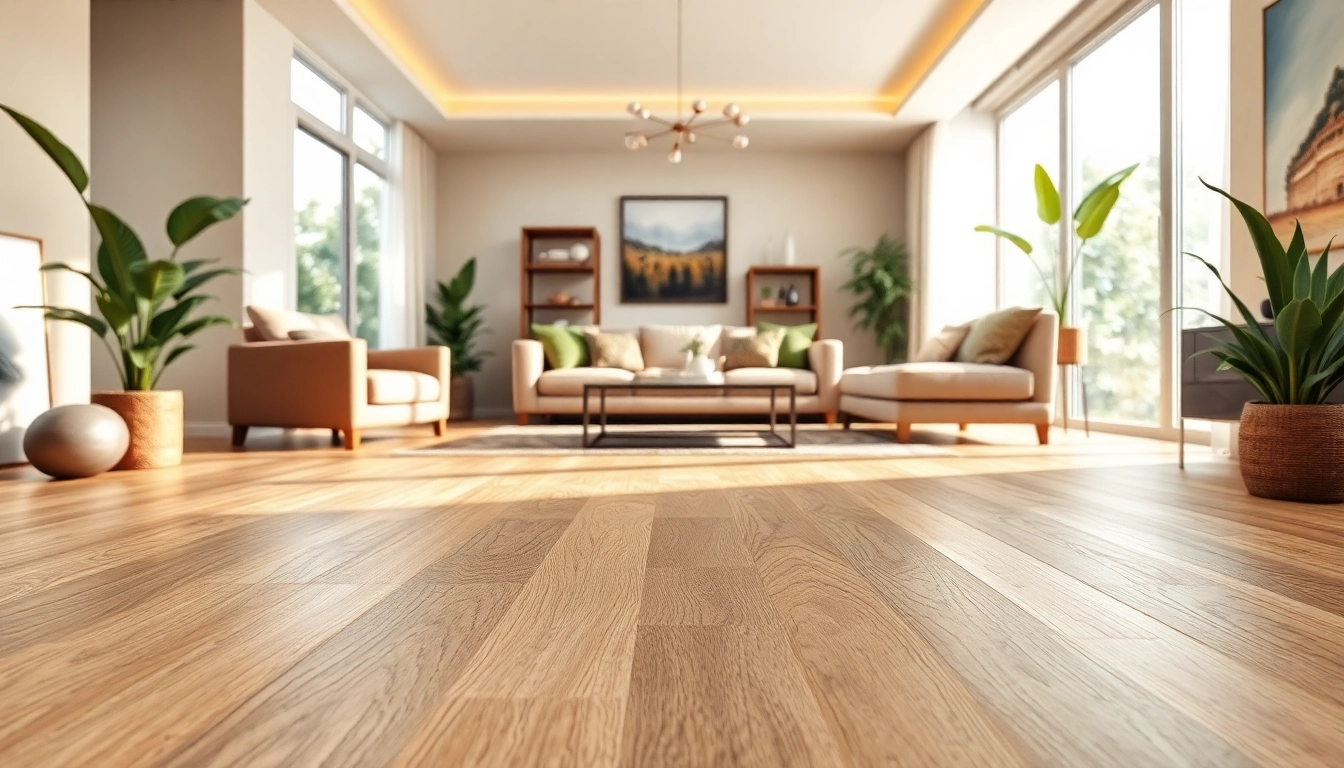
- Living Room: Opt for luxury vinyl planks that mimic wood for a warm, inviting atmosphere perfect for entertaining.
- Kitchen: Choose tile vinyl or water-resistant options for durability and easy cleaning, especially in high-traffic areas.
- Bathroom: Waterproof vinyl is ideal for bathrooms, providing a stylish yet functional surface even in humid conditions.
- Bedroom: Soft, cushioned vinyl offers comfort and warmth, creating a cozy retreat in your personal space.
Incorporating Vinyl Flooring into Your Decor
Enhance your décor by creatively incorporating vinyl flooring. Here are some ideas:
- Accent Rugs: Use area rugs to further define spaces and add texture, contrasting with the sleek surface of vinyl flooring.
- Layering Textiles: Complement vinyl flooring with soft furnishings, such as curtains and cushions, that echo the colors and patterns of the flooring.
- Artwork and Accessories: Use art and decorative items to enhance the overall design theme while drawing attention to the beauty of the flooring beneath.
FAQs About Vinyl Flooring
How long does vinyl flooring last?
With proper care, vinyl flooring can last 10-20 years, depending on quality and usage.
Is vinyl flooring water-resistant?
Yes, most vinyl flooring options are water-resistant, making them ideal for kitchens and bathrooms.
Can I install vinyl flooring over existing floors?
You can install vinyl flooring over most existing floors, but ensure the surface is clean and level.
Is vinyl flooring eco-friendly?
Some brands offer eco-friendly vinyl flooring made from recycled materials and are designed for sustainability.
How can I match vinyl flooring with my interior style?
Choose vinyl flooring colors and patterns that complement your decor, enhancing your home’s overall aesthetic.