Why You Need a Water Leak Detection Specialist for Your Property
Understanding Water Leak Detection Services
Water leak detection is a critical service that ensures the integrity of your home’s plumbing system. Whether you own a residential property or manage a commercial establishment, identifying and resolving leaks is essential to safeguard your asset and avoid escalating repair costs. When facing issues with leaks, water leak detection specialists play a vital role in the diagnosis and solution of water-related problems, utilizing advanced technology and years of expertise.
What is a Water Leak Detection Specialist?
A water leak detection specialist is a trained professional equipped with the knowledge, skills, and tools to locate and resolve water leaks. These specialists utilize various methods and technologies to identify leaks that may not be visibly apparent, thus preventing potential damage and facilitating timely repairs. Their expertise encompasses residential and commercial properties, adept at dealing with a wide range of systems, from simple plumbing networks to complex irrigation systems.
The Importance of Professional Leak Detection
Professional leak detection is essential for several reasons:
- Preventing Property Damage: Undetected leaks can lead to significant structural damage, mold growth, and deterioration of building materials.
- Reducing Water Waste: Timely detection of leaks conserves water, contributing to environmental sustainability and reducing water bills.
- Enhancing Safety: Some leaks may compromise the safety of homes, especially when they involve gas or sewage systems, which require prompt attention.
- Increasing Property Value: Well-maintained properties free of leaks are more appealing to prospective buyers, enhancing market value.
Common Leak Detection Methods Used by Specialists
Leak detection specialists employ a variety of techniques to locate leaks effectively. Some of the most common methods include:
- Acoustic Listening Devices: These devices amplify sounds made by leaking water, allowing specialists to locate leaks within walls or underground plumbing systems.
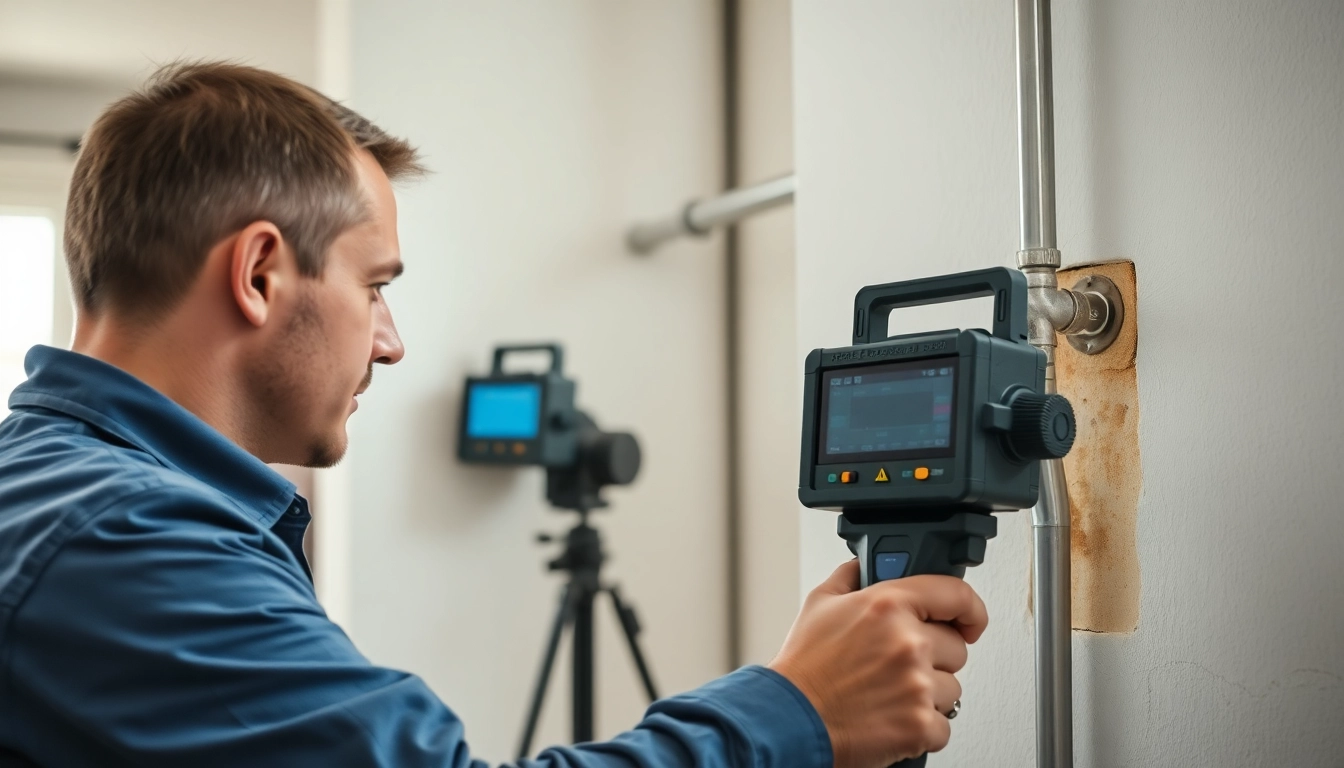
- Thermal Imaging Cameras: These cameras detect temperature variations caused by moisture and water leaks, making them particularly useful in hidden leak scenarios.
- Pressure Testing: Pressure tests help diagnose the integrity of plumbing systems, identifying leaks that may not be immediately visible.
- Dye Testing: A dye is introduced into plumbing systems to trace water flow and spot leaks in specific fixtures or pipes.
- Smoke Testing: This method uses non-toxic smoke to fill plumbing systems, revealing leaks when smoke escapes from broken lines or connections.
Signs of Water Leaks in Your Home
Being able to identify the signs of water leaks early can save homeowners a lot of money and hassle. Here we explore how to spot visible and hidden leaks.
Identifying Visible Signs of Leaks
Visible signs of water leaks are often the first indicators that there is a problem. Some telltale signs include:
- Water Stains: Discoloration on ceilings, walls, or floors can indicate that water is seeping through.
- Mold Growth: Excess moisture from leaks can lead to mold, which can pose health risks and require extensive remediation.
- Peeling Paint or Wallpaper: Water exposure can cause paint or wallpaper to bubble and peel off.
- Sound of Running Water: Hearing water running when fixtures are turned off could signal a leak.
- Wet Areas or Puddles: Standing water in unexpected places can indicate a leak in pathways, drainage systems, or plumbing.
Detecting Hidden Leaks Before They Cause Damage
Hidden leaks may not present immediate visible signs, but they can lead to serious issues if left unaddressed. Here’s how to spot them:
- Increased Water Bills: A sudden rise in your water bill without a corresponding increase in usage can suggest a hidden leak.
- Water Meter Monitoring: Checking your water meter before and after a period of no water usage can reveal invisible leaks.
- Unpleasant Odors: A musty smell can indicate mold growth due to leaks, particularly in enclosed spaces.
- Cracks in Walls or Foundations: Structural issues may develop over time due to prolonged water exposure.
- Unusual Warm Spots: Warm areas on the floor might suggest hot water line leaks.
The Role of Technology in Leak Detection
The advancement of technology has revolutionized how specialists detect leaks. Using sophisticated tools like acoustic devices, infrared cameras, and moisture meters enables professionals to accurately pinpoint leak locations without invasive measures. This minimizes the need for excavation, reduces repair time, and saves homeowners money in the long run.
Cost Factors Associated with Leak Detection Services
Understanding the cost of leak detection services can help homeowners make informed decisions. Several factors influence the pricing of these services.
Typical Costs for Leak Detection Services
The cost of hiring a water leak detection specialist can vary significantly based on multiple factors.
- Location: Prices may differ based on geographic regions and local market rates.
- Nature of the Leak: Hidden leaks that require advanced technology for detection can cost more than visible leaks.
- Time Involved: Complex situations that take more time to diagnose will increase labor costs.
- Type of Property: Residential properties typically see different pricing structures compared to commercial properties due to scale and complexity.
On average, homeowners can expect to pay between £550 and £1,250 for comprehensive leak detection services, depending on these variables.
Cost vs. Value: Is Hiring a Specialist Worth It?
When weighing the costs involved, it’s essential to consider the value added by hiring a specialist. Early detection can prevent water damage that may run into thousands of pounds. In fact, leaks can lead to escalated repair costs if not addressed promptly. Hiring a qualified leak detection specialist can save money in the long run by reducing the expensive consequences of water damage, such as restoration costs, mold remediation, and increased utility bills.
How to Budget for Leak Detection and Repairs
Budgeting effectively for leak detection and repairs involves several key steps:
- Research Local Rates: Get estimates from several specialists to find a price point that fits your budget.
- Understand Potential Costs: Factor in the range of services you might require based on the suspected problem’s complexity.
- Prioritize Early Intervention: Allocate emergency funds for urgent leak detection to prevent costs from escalating.
- Investigate Insurance Coverage: Check if your home insurance policy covers leak detection services and potential damage repairs.
Choosing the Right Water Leak Detection Specialist
Choosing the right specialist can make all the difference in effectively identifying and resolving leak issues.
Key Qualities to Look for in a Specialist
Here are some essential qualities and credentials to look for when selecting a water leak detection specialist:
- Licensing and Insurance: Ensure the specialist has the proper licensing and insurance to work on your property.
- Experience and Expertise: Look for professionals with extensive experience in detecting the type of leaks common in your area.
- Advanced Equipment Usage: Ensure they use modern technology for accuracy in detecting leaks.
- Strong Reputation: Seek recommendations from friends, family, or online reviews to find reputable specialists.
Questions to Ask Before Hiring
Before hiring a specialist, consider asking the following questions:
- What methods do you employ for leak detection?
- Can you provide references or testimonials from previous clients?
- What is your guarantee or warranty policy on leak detection services?
- How do you estimate project costs, and what factors could influence the final price?
- Are you familiar with local regulations regarding plumbing repairs?
Reviews and Testimonials: What to Consider
Reviews and testimonials from previous customers are invaluable resources when selecting a water leak detection specialist. Look for:
- Consistency: Check for a pattern in reviews—do multiple clients report satisfactory service?
- Specificity: Look for specific feedback regarding how issues were handled and if they were resolved properly.
- Timeliness: Reviews that mention prompt responses and efficient service can indicate reliability.
- Value for Money: Consider feedback on pricing structures to ensure you’re not overpaying.
Tips for Preventing Water Leaks
Preventing water leaks is crucial for maintaining the integrity of your property. Here are several proactive strategies.
Routine Maintenance to Avoid Leaks
Regular maintenance is key to preventing leaks. Consider these actions:
- Schedule regular plumbing inspections to identify potential vulnerabilities in your system.
- Clear gutters and downspouts to prevent water damage from backed-up rainwater.
- Inspect pipes and fixtures regularly for signs of wear or corrosion.
- Ensure that hoses, particularly those connected to appliances like washing machines and dishwashers, are in good condition.
Early Detection Techniques for Homeowners
Homeowners can implement several tips to spot leaks before they escalate:
- Regularly inspect water meters and check for unexpected fluctuations.
- Be vigilant in observing water stains and damp patches around the home.
- Install water leak sensors that trigger alerts on detection.
Emergency Plans for Leak Situations
Having a plan in place for leak emergencies can minimize damage significantly:
- Know the location of your main water shut-off valve and ensure everyone in the household knows how to access it.
- Create a list of emergency contacts, including trusted plumbing professionals, to call in case of severe leaks.
- Keep repair kits or materials on hand to manage minor leaks yourself in the meantime.