
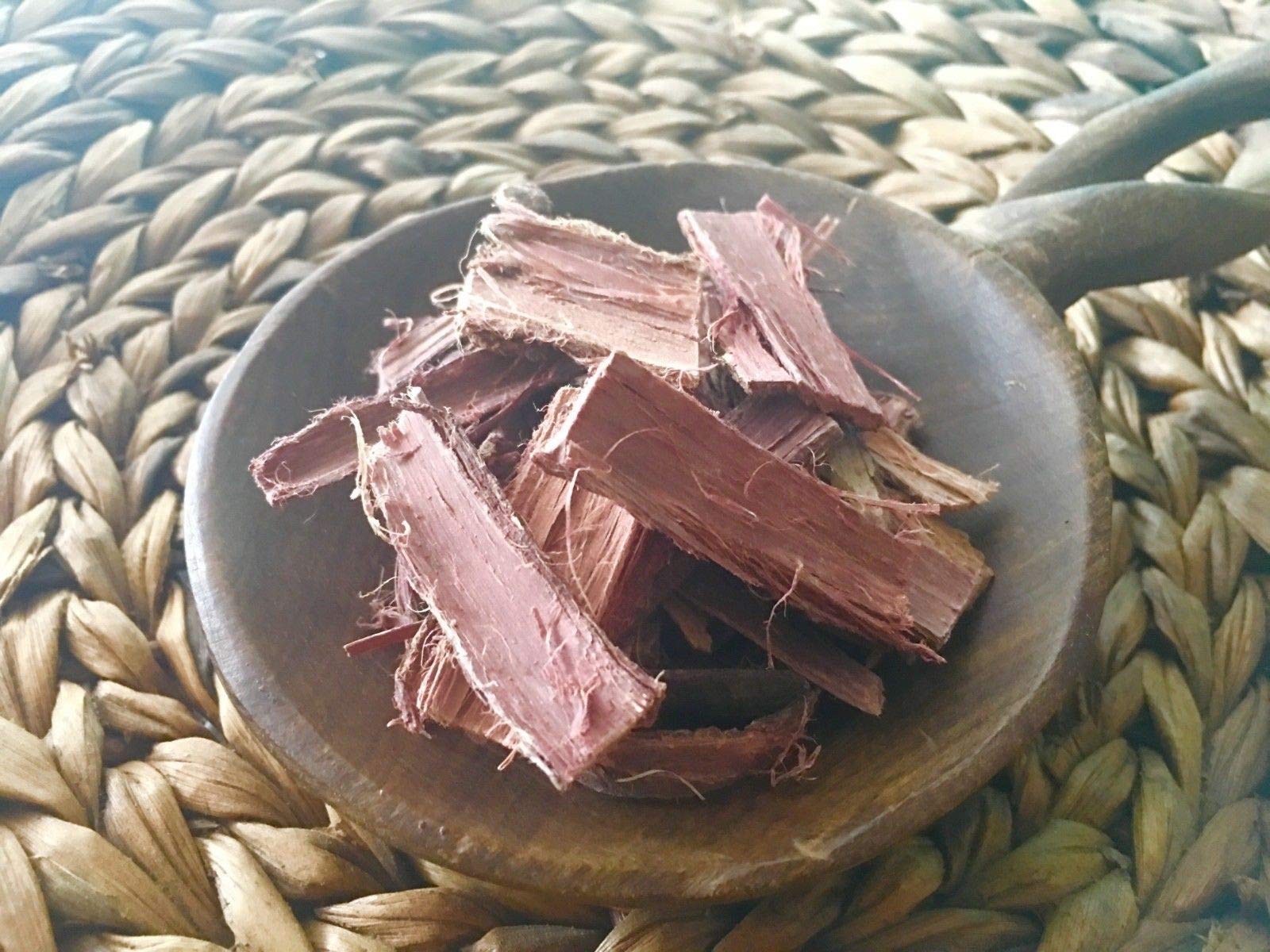
Alkanet red dye has become a popular choice among natural dyers, textile artists, and eco-friendly makers who want to bring rich purple-red hues into their creative work. Derived from the roots of the Alkanna tinctoria plant, Alkanet red dye offers a stunning balance of depth, warmth, and botanical authenticity. As more people turn to plant-based colorants, the demand for Alkanet red dye for sale has grown rapidly—appealing to artisans who appreciate both its beauty and its sustainable origins. This article explores what makes this dye so sought after, how it performs on different materials, and what to look for when purchasing high-quality natural colorants.
Why Choose Alkanet Red Dye?
A Natural Alternative for Conscious Creators
Alkanet red dye appeals to those who prefer environmentally friendly crafting. Unlike synthetic dyes that often involve chemicals and pollutants, Alkanet red dye delivers vibrant tones using only natural pigment. Its biodegradable nature makes it especially attractive to home dyers, sustainable studios, and artisan brands striving for greener processes.
Rich Botanical Color
The root-derived pigment in Alkanet red dye produces shades ranging from smoky lavender to deep burgundy. These tones cannot be replicated by artificial dyes, making each project uniquely organic. For artists looking to add depth and character to textiles, the natural variation of Alkanet red dye is a remarkable advantage.
Understanding How Alkanet Red Dye Works
Color Behavior on Different Fibers
Protein fibers such as silk and wool absorb Alkanet red dye exceptionally well, often resulting in richer colors. Plant fibers—cotton, hemp, and linen—can also take on beautiful shades when properly prepared with mordants. The variability between fiber types makes experimenting with Alkanet red dye exciting for textile designers.
Dye Sensitivity and pH Influence
The pigment in Alkanet red dye is highly responsive to pH. When introduced to acidic conditions, the dye leans toward warm reds, while alkaline environments encourage cooler purple or violet tones. This sensitivity gives artisans creative control, allowing them to tailor results to their exact vision.
What to Look for When Buying Alkanet Red Dye for Sale
Quality of the Roots
High-quality Alkanet red dye typically comes from well-dried, clean roots with a deep reddish tint. Premium roots yield stronger color and better consistency, making them ideal for both beginners and experienced dyers.
Ethical and Sustainable Sourcing
Many creators prefer suppliers that emphasize ethical harvesting and sustainable farming practices. When browsing Alkanet red dye for sale, choosing reputable sellers ensures that the product supports ecological health and responsible production.
The Form of the Dye
Alkanet red dye may be sold as whole roots, chopped pieces, or powdered form. Makers working with textiles often prefer chopped roots for water extraction, while soap makers tend to favor the powdered version for faster infusion. Understanding your craft helps determine which form of Alkanet red dye suits your needs.
Preparing for Dyeing with Alkanet Red Dye
Proper Fiber Preparation
Scouring and mordanting help fibers absorb Alkanet red dye more efficiently. Alum offers bright, clear shades, while iron creates darker, more dramatic tones. Preparing fibers correctly ensures lasting color and a professional finish.
Extracting the Pigment
Simmering the roots at low temperature releases the natural pigment from Alkanet red dye. Artists may also use alcohol extraction for stronger concentration or oil infusion for cosmetic applications. Each method produces slightly different tones, giving creators flexibility.
Controlling the Shade
Because Alkanet red dye reacts to pH, adjusting acidity or alkalinity lets you influence the final hue. Makers often experiment with small samples before beginning large batches to ensure desired results.
Creative Uses of Alkanet Red Dye
Textile and Yarn Dyeing
One of the most popular uses for Alkanet red dye is coloring yarn, fabric, and natural textiles. Its ability to produce complex tones makes it ideal for handwoven items, garments, scarves, and decorative pieces. The organic look enhances both rustic and modern styles.
Soap and Cosmetic Making
Soap makers frequently seek out Alkanet red dye for sale because the pigment thrives in oil infusions. In cold-process soap, it produces shades from soft lilac to deep maroon, depending on the formula. Its gentle botanical origin also aligns well with natural skincare brands.
Artistic and Craft Applications
Beyond textiles, artists use Alkanet red dye to tint handmade paper, wood finishes, leather goods, and mixed-media pieces. Its versatility across multiple mediums makes it a staple in botanical art studios.
Tips for Buying and Using Alkanet Red Dye
Start with Small Test Batches
Because natural dyes vary, testing a small sample ensures you achieve the tone you want. This is especially helpful for new users exploring Alkanet red dye.
Store Properly
Keeping the dye in airtight containers away from light and moisture helps preserve its strength. Proper storage ensures your supply of Alkanet red dye stays fresh and ready for future projects.
Keep Notes for Consistency
Document your dye methods—fiber type, mordant, pH adjustments, and extraction time. With Alkanet red dye, these details help replicate successful results and refine your craft.
Conclusion
Alkanet red dye for sale offers artisans a chance to bring natural, sustainable color into their creative work. Its botanically derived pigments, eco-friendly qualities, and stunning range of purple-red shades make it an essential choice for textile artists, soap makers, and craft lovers. By understanding fiber preparation, extraction methods, and sourcing considerations, creators can fully enjoy the beauty and versatility of Alkanet red dye. Whether you’re enhancing handmade garments, crafting organic soaps, or exploring botanical art, this remarkable natural dye provides a rich connection to nature and endless creative possibilities.