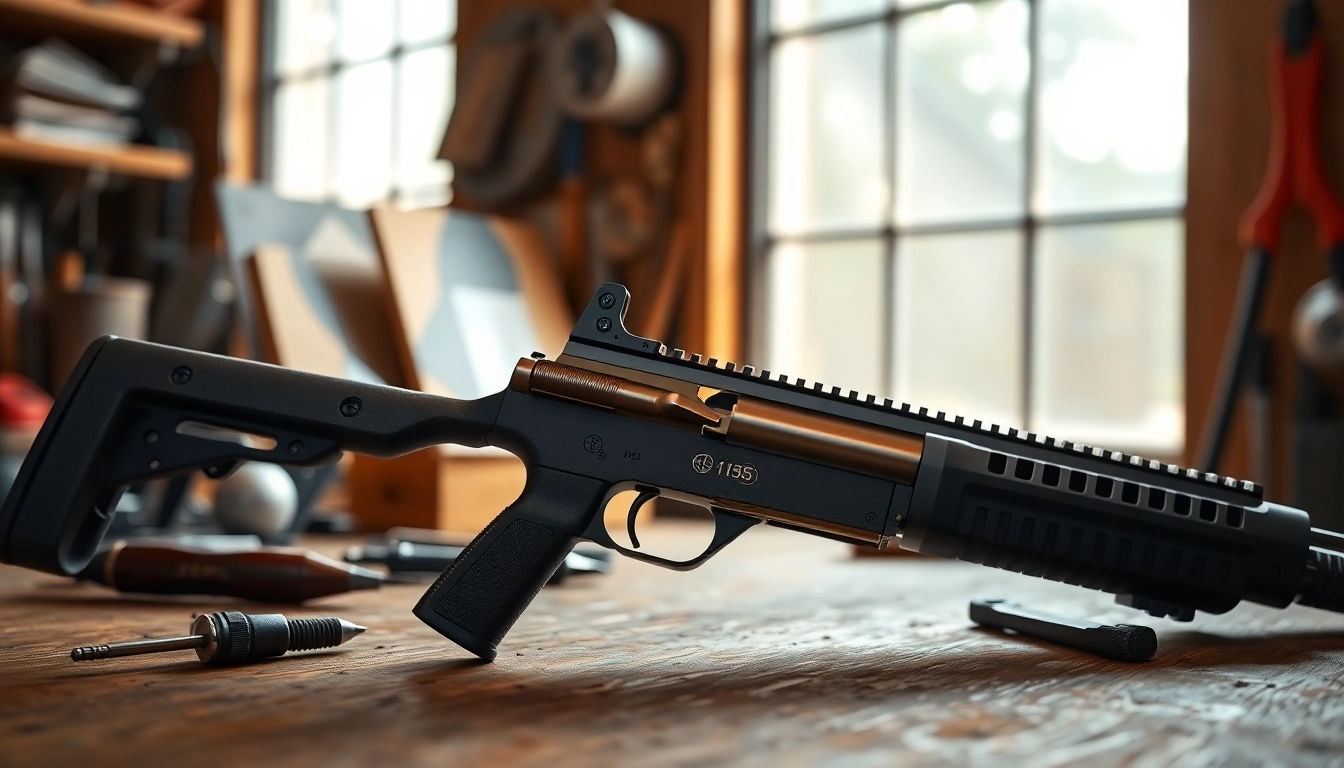
Understanding AR 15 Trigger Mechanics
What is an AR 15 trigger?
The AR 15 trigger serves as a critical component in the firing mechanism of the rifle. It is a device that controls the release of the hammer or firing pin, determining the timing and accuracy of each shot fired. A precise trigger pull allows shooters to effectively manage their aim and ensure consistent firing performance. The trigger's design can vary significantly, leading to differences in feel, functionality, and suitability for various shooting situations.
Types of AR 15 triggers
There are two main types of triggers used in AR 15 rifles: single-stage and two-stage triggers. Single-stage triggers provide a direct pull from start to finish, while two-stage triggers offer a slight delay before completing the pull, creating a distinct feel. Each type caters to different shooting styles and preferences, making it essential for users to choose according to their shooting needs.
How triggers affect performance
The performance of an AR 15 trigger significantly influences shooting accuracy and speed. A high-quality trigger can enhance a shooter's performance by providing a lighter pull weight, a short reset, and a crisp break. This allows for faster follow-up shots and improved control, particularly in competitive or tactical scenarios. Conversely, a poorly designed trigger can lead to inconsistencies, affecting the shooter's ability to hit their target accurately.
Key Features to Look for in an AR 15 Trigger
Pull weight and feel
Pull weight refers to the amount of force needed to engage the trigger. Generally, lighter pull weights improve speed and accuracy, whereas heavier pulls can help prevent accidental discharges. Understanding personal preferences and the context of use—such as competition shooting or tactical applications—will guide the decision regarding optimal pull weight.
Trigger reset and travel
After pulling the trigger, how quickly the trigger resets is critical to maintaining shooting rhythm. A trigger with a short reset allows for faster shooting, which is particularly beneficial in competitive environments. Alongside this, the travel distance—the distance the trigger moves before releasing the hammer—should also be considered. Lesser travel can lead to quicker shots.
Single-stage vs two-stage triggers
Choosing between single-stage and two-stage triggers often comes down to personal preference. Single-stage triggers are favored for their simplicity and direct engagement, while two-stage triggers are popular among precision shooters for their tactile feedback that allows them to gauge the break point before firing. Understanding one’s shooting style can help in choosing the right type.
Popular AR 15 Trigger Brands and Models
Specifications of top-rated models
While specific brands and models vary widely, most top-rated AR 15 triggers share features like adjustable pull weight, solid construction, and consistency in performance. Specifications can often be compared on pull weight, reset length, and overall build quality. Some models may also include features like a flat or curved trigger design to match user preferences.
User reviews and feedback
User experiences play a crucial role in evaluating the performance of an AR 15 trigger. Common feedback includes remarks about trigger pull smoothness, reset speed, and comfort during long shooting sessions. Analyzing this user feedback can help potential buyers understand the practical implications of various specifications and how they perform in real-world scenarios.
Comparative analysis of features
When comparing features, key elements include pull weight, travel distance, and construction quality. A comprehensive understanding of how these features interact can allow for more informed decisions. Users should consider whether they prioritize speed, precision, or versatility in their shooting preferences to select the most suitable trigger model.
Installation and Maintenance of AR 15 Triggers
How to install your new AR 15 trigger
Installing a new AR 15 trigger requires attention to detail and proper tools. First, ensure that the rifle is unloaded. Then, remove the lower receiver from the rifle and follow the manufacturer’s guidelines for disassembly. Replace the trigger, securing it in place, then reassemble the receiver. It's crucial to test the new trigger for functionality before using the rifle.
Regular maintenance tips
Maintaining an AR 15 trigger involves cleaning it regularly to prevent debris buildup and checking for wear and tear. Using proper lubrication can enhance the trigger's smoothness and ensure longevity. Additionally, performing periodic function checks can confirm that the trigger operates correctly and safely, enhancing reliability over time.
Signs you need to replace your trigger
Signs that a trigger may need replacement include a gritty or inconsistent pull, double firing, or an overall decrease in reliability. If the trigger feels excessively heavy or the reset becomes sluggish, it's time to consider an upgrade. This ensures ongoing performance and safety during operation.
Frequently Asked Questions about AR 15 Triggers
What is the best trigger for an AR 15?
The best trigger for an AR 15 often depends on personal preferences for pull weight, feel, and intended use, whether for competition or tactical applications.
Are drop-in triggers worth it?
Drop-in triggers can simplify installation and typically offer enhanced performance compared to mil-spec triggers. They’re worth considering for ease and quality improvements.
How often should I upgrade my AR 15 trigger?
Upgrading should be considered when experiencing performance issues, or when looking to enhance accuracy and speed. Quality upgrades can make a significant impact.
What trigger weight is ideal for accuracy?
Trigger weights between 2.5 to 4.5 pounds are often ideal for precision shooting, balancing control and accuracy effectively for most shooters.
Can I install an AR 15 trigger myself?
Yes, many users can install an AR 15 trigger themselves with proper tools and guidance, but it’s important to ensure safety and follow manufacturer instructions closely.