
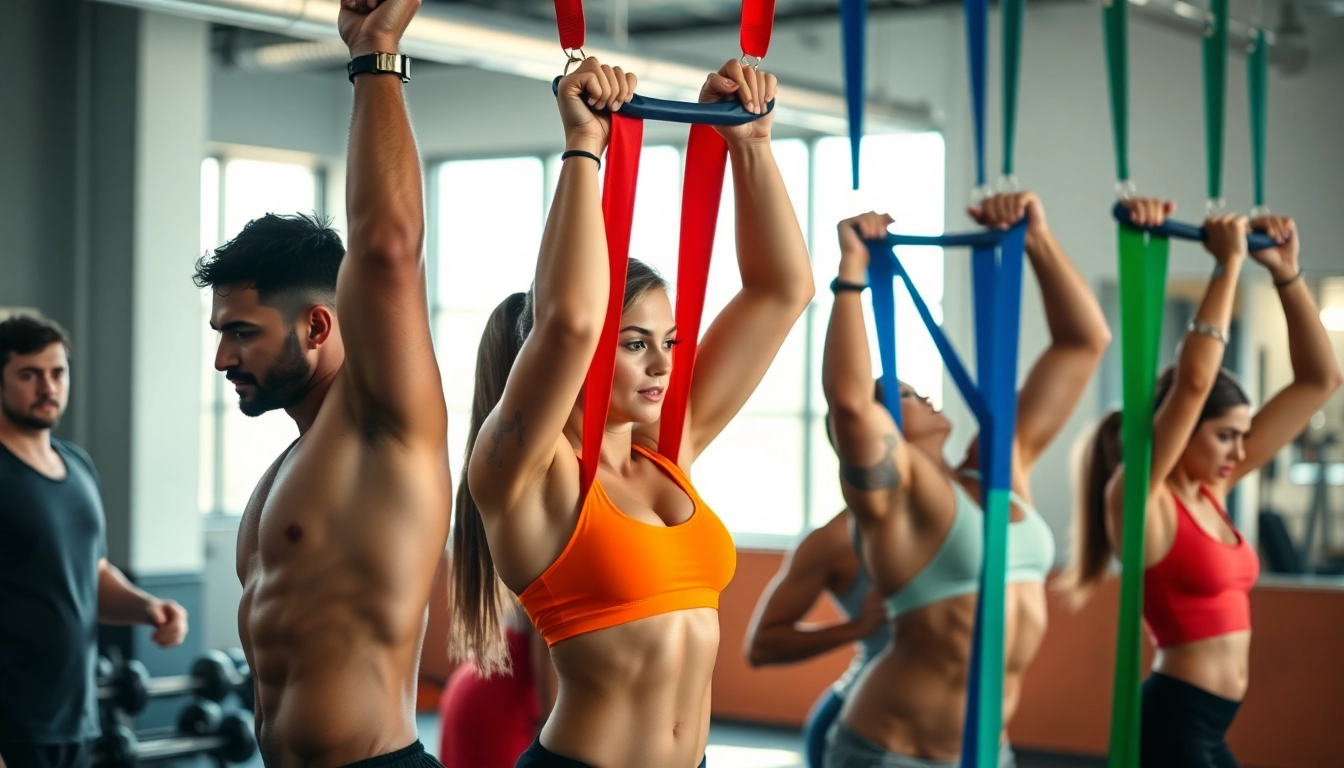
Understanding Pull-Up Assist Bands
In the world of fitness, pull-up assist bands have gained significant popularity as effective tools for those looking to enhance their upper body strength. For individuals at varying fitness levels, these bands serve as invaluable aids in performing pull-ups and chin-ups, exercises known for their difficulty but remarkable benefits. By providing necessary support, pull-up assist bands enable beginners to initiate their training while allowing more seasoned athletes to refine their techniques and increase their endurance. When exploring options, pull-up assist bands stand out as one of the most popular choices available on the market today.
What are Pull-Up Assist Bands?
Pull-up assist bands are gym accessories made from elastic material designed to help individuals perform pull-ups by reducing the amount of body weight they need to lift. These bands come in various thicknesses and resistance levels, making them suitable for people of all fitness levels—from complete beginners to advanced athletes. Typically available in a range of colors, each color corresponds to a specific resistance level, allowing users to choose the band that best matches their current strength capabilities.
How Pull-Up Assist Bands Work
The primary function of pull-up assist bands is to provide assistance during the upward motion of a pull-up. When attached to a pull-up bar and looped around the user's body or feet, the band acts as a supportive force, counteracting gravity and making it easier to complete the movement. As users gain strength, they can gradually transition to bands with lower resistance or even progress to doing unassisted pull-ups.
Benefits of Using Pull-Up Assist Bands
Utilizing pull-up assist bands offers several advantages:
- Improved Strength: By enabling users to perform more repetitions of pull-ups, these bands help build the necessary muscle strength in the arms, shoulders, and back.
- Technique Assistance: Bands allow for practicing proper form without the strain of lifting full body weight, reducing the risk of injury.
- Gradual Progression: They enable a training routine that adjusts to the individual's strength level, making it easier to set and achieve fitness goals.
- Versatility: Beyond pull-ups and chin-ups, these bands can be used for a variety of other exercises, such as dips and leg lifts, enhancing their value in any workout regimen.
Choosing the Right Pull-Up Assist Bands
Selecting the appropriate pull-up assist band involves several considerations. Users should evaluate their current strength, fitness goals, and the types of exercises they intend to perform with the bands.
Factors to Consider When Buying
When shopping for pull-up assist bands, keep the following factors in mind:
- Resistance Level: Bands come in varying levels of resistance. Beginners may benefit from thicker bands, while advanced users can gradually shift to thinner bands that offer less assistance.
- Length and Thickness: The bands should be long enough to accommodate various exercises while being thick enough to handle the user's weight effectively without snapping.
- Material Quality: Opt for bands made from durable materials that can withstand regular use and resist wear over time.
- Brand Reputation: Research reputable brands that are known for producing high-quality resistance bands, ensuring long-term satisfaction.
Top Brands and Products in 2026
As the market evolves, several brands have emerged as leaders in the field of pull-up assist bands. Brands like Rubberbanditz, Torque Fitness, and Fringe Sport offer high-quality options that cater to various fitness needs. These companies provide detailed information about their products, including resistance levels and suggested use cases, making it easier for users to find the perfect band for their workouts.
Reading Resistance Levels and Sizes
Most brands label their pull-up assist bands according to the amount of weight they can support. For instance, a band labeled for 15-35 lbs of assistance indicates that it will help lift that much weight. Understanding these labels helps users select bands that align with their strength level and fitness goals.
Best Practices for Using Pull-Up Assist Bands
To maximize the effectiveness of pull-up assist bands, users should adopt best practices when incorporating them into their fitness routines.
Techniques for Effective Workouts
Here are a few tips to ensure effective workouts using pull-up assist bands:
- Start Slow: Begin with a band that offers significant assistance to familiarize yourself with the movement, gradually decreasing assistance as you become stronger.
- Focus on Form: Maintain proper form throughout the exercise. This is crucial for maximizing the benefits and preventing injuries.
- Incorporate Variations: Mix up your routine by trying different styles of pull-ups and chin-ups to target various muscles and keep workouts engaging.
Common Mistakes to Avoid
When using pull-up assist bands, some common pitfalls can hinder progress:
- Using Too Little Assistance: Beginners sometimes underestimate the assistance needed. Choosing a band that is too thin can lead to frustration and improper form.
- Failing to Progress: It's essential to challenge yourself by gradually moving to bands with lower resistance as you gain strength.
- Neglecting Other Muscle Groups: While focusing on pull-ups, it's important not to neglect other body parts. A balanced workout regimen will promote overall strength.
Integrating Bands into Your Routine
To fully benefit from pull-up assist bands, integrate them into a diverse fitness routine. Consider pairing them with other bodyweight exercises, strength training, or mobility work, ensuring a holistic approach to fitness.
Exercises and Variations with Pull-Up Assist Bands
Pull-up assist bands can be utilized for more than just assisted pull-ups. Numerous exercises can help improve overall strength and fitness.
Pull-Ups and Chin-Ups with Assistance
The primary use of pull-up assist bands is to facilitate pull-ups and chin-ups. By adjusting the band to provide the right amount of assistance, users can focus on developing their pull-up technique effectively while still building strength.
Combining With Other Exercises for Full Body Workouts
In addition to upper body workouts, pull-up assist bands can be used in various combinations with other exercises, including:
- Dips: Using bands for assistance during dips helps build triceps strength.
- Squats: Bands can add resistance to squats or assist with proper form.
- Leg Raises: They can help manage resistance during leg raises, targeting core muscles effectively.
Progressing from Assisted to Unassisted Pull-Ups
One of the primary goals for many users is to transition from assisted to unassisted pull-ups. This progression involves gradually reducing the assistance provided by the bands and increasing the number of unassisted pull-ups performed.
Future Trends for Pull-Up Assist Bands in Fitness
As the fitness landscape continues to evolve, pull-up assist bands are expected to undergo notable developments, enhancing their functionality and appeal.
Predicted Developments and Innovations for 2026
In 2026, we can anticipate innovations such as adjustable resistance bands that allow users to modify the level of assistance dynamically, catering to their training needs in real-time.
Expert Insights on Resistance Training's Evolution
Fitness professionals believe that as more individuals seek convenient at-home workout solutions, the demand for versatile and durable resistance training tools like pull-up assist bands will rise.
The Impact of Technology on Training Accessories
Technological advancements may also influence the design of pull-up assist bands. Future iterations could incorporate smart technology to track usage patterns and provide feedback, further enhancing the training experience.