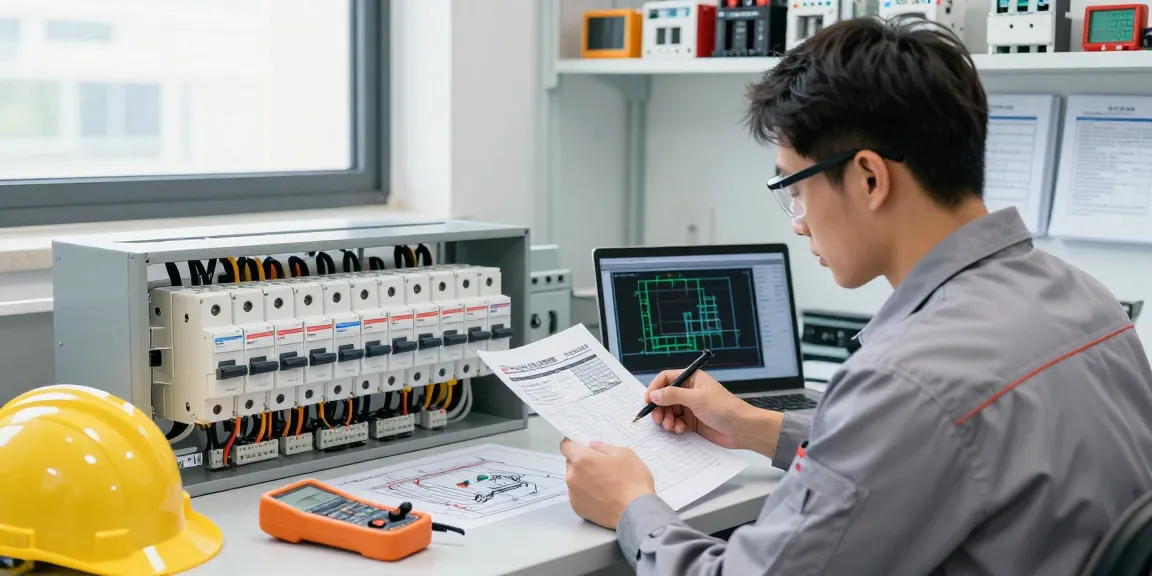
Understanding the Importance of Construction Safety Training
In the construction industry, safety is paramount. With the numerous hazards present on job sites, the significance of construction safety training cannot be overstated. This training not only protects workers but also improves project efficiency and reduces costs. A well-structured safety training program is vital for ensuring that employees understand potential risks and how to manage them effectively. This article delves into the intricacies of construction safety training, highlighting its importance, essential components, implementation strategies, challenges, and impact measurement.
Key Benefits of Safety Training
Safety training offers numerous advantages that go beyond merely complying with legal requirements. Here are some of the key benefits:
- Reduced Accident Rates: Proper safety training equips workers with the knowledge to recognize and mitigate hazards, leading to fewer workplace accidents.
- Enhanced Worker Confidence: When employees feel safe, they are more confident in their tasks, leading to increased productivity.
- Lower Insurance Costs: A strong safety record can result in reduced premiums for workers' compensation and liability insurance.
- Improved Compliance: Regular training ensures that workers are up-to-date with health and safety regulations, minimizing legal risks.
- Cultivated Safety Culture: Encouraging safety training fosters a culture where safety is valued, leading to continuous improvement.
Statistics Highlighting Construction Hazards
The construction industry is one of the most dangerous fields, with statistics underscoring the necessity of safety training. According to the Occupational Safety and Health Administration (OSHA), approximately 20% of worker fatalities in the United States occur in the construction industry, making it a critical area of focus for safety initiatives. Common hazards include falls, being struck by objects, electrocutions, and caught-in/between incidents, often referred to as the "Fatal Four." Addressing these statistics through training can significantly reduce these incidents.
How Training Can Reduce Incidents
Training plays a crucial role in reducing incidents by providing workers with the skills and knowledge necessary to avoid hazards. For instance, fall protection training can lead to proper use of harnesses and safety nets, directly decreasing fall-related injuries. Additionally, practical exercises and simulations can help workers practice emergency response protocols, making them better prepared for real-life scenarios. Thus, investing in training not only protects lives but enhances overall project execution.
Essential Components of Construction Safety Training
Implementing a successful construction safety training program requires attention to several key components:
Identifying Workplace Hazards
The first step in any safety training program is identifying the unique hazards present at job sites. This includes performing regular audits, examining past incident reports, and consulting workers for insights into potential risks. Understanding these hazards allows training programs to be tailored to address specific concerns relevant to the workforce.
Use of Personal Protective Equipment (PPE)
PPE is essential in protecting workers from various construction hazards. Training should emphasize the correct selection, use, and maintenance of PPE, such as helmets, goggles, gloves, and respiratory protection. Educating workers on the importance of PPE not only ensures compliance with safety regulations but also boosts their overall safety awareness.
Emergency Response Procedures
Effective emergency response procedures can save lives. Training programs must include comprehensive responses to various emergencies, from medical incidents to natural disasters. Regular drills and scenario practices allow workers to react swiftly and correctly, demonstrating the effectiveness of such training in high-pressure situations.
Implementing an Effective Training Program
Creating an effective training program involves several stages:
Training Needs Assessment
Conducting a thorough training needs assessment is crucial for understanding the specific requirements of your workforce. This process should take into account the types of work performed, the backgrounds and skills of employees, and any past incidents that may indicate areas needing improvement. Engaging employees in this assessment can provide valuable feedback and enhance buy-in for training initiatives.
Choosing the Right Training Methods
Different methods of training can yield varying results, and tailoring the approach to the audience is essential. Options include:
- In-person Workshops: Provides hands-on training and direct interaction with instructors.
- Online Training Modules: Allows flexibility and accommodates diverse learning paces.
- On-site Training: Engages workers in their actual work environment, helping them connect training to real-life application.
It's essential to use a mix of these methods to cater to different learning styles and ensure maximum engagement.
Monitoring and Evaluating Training Effectiveness
Post-training evaluations are necessary to measure the effectiveness of safety training. Techniques include assessments, quizzes, and practical demonstrations that gauge knowledge retention and application. Feedback from participants can also guide improvements in future training sessions, ensuring they remain relevant and impactful.
Common Challenges in Construction Safety Training
Implementing effective safety training can present various challenges:
Overcoming Resistance to Training
Resistance to training can stem from various factors, including employees' perceptions of time wasted or lack of relevance. Addressing this requires clear communication about the benefits of training, involving workers in development, and demonstrating how training ties into their daily tasks and personal safety.
Adapting to New Regulations
The construction industry is subject to frequent regulatory changes, making it crucial for training programs to remain current. Regular updates and refresher courses can assist in keeping employees informed about new safety protocols and changes to legislation, ensuring continual compliance.
Engaging Employees in Safety Practices
Keeping employees engaged in safety practices can be challenging, especially in high-pressure environments. Implementing gamification strategies, recognizing employees for exemplary safety practices, and integrating safety discussions into daily briefings can foster a culture where safety becomes part of the daily conversation, rather than an afterthought.
Measuring the Impact of Safety Training
To validate the effectiveness of safety training, organizations must focus on measuring performance outcomes:
Performance Metrics for Safety Training
Key performance metrics should include:
- Incident Rates: Monitoring the frequency and severity of accidents before and after training.
- Employee Feedback: Surveying workers for their perceptions of safety and training effectiveness.
- Training Participation Rates: Tracking attendance and engagement in safety training sessions.
Regular reviews of these metrics can help management identify areas of success and those needing further attention.
Long-term Benefits to the Organization
Investing in safety training yields significant long-term benefits, including reduced turnover rates, enhanced company reputation, and improved employee morale. Organizations committed to safety can attract top talent and are often seen as industry leaders, positioning themselves favorably in the competitive construction market.
Case Studies of Successful Implementation
Case studies from leading construction firms illustrate the effectiveness of robust safety training programs:
For instance, a prominent construction company implemented a comprehensive safety training regimen that included simulation training for high-risk tasks. As a result, the company reported a 30% reduction in workplace incidents over a year. Employees reported greater satisfaction, and productivity increased as workers felt more confident in their ability to perform their jobs safely.
Another example involves a contractor who partnered with a local safety organization to offer ongoing training workshops. The initiative led to improved compliance scores during regulatory inspections and significantly lowered insurance costs, demonstrating the financial benefits of prioritizing safety.
By prioritizing construction safety training, organizations can protect their most valuable asset: their workers. Comprehensive training not only fosters a safer work environment but also enhances the overall efficiency and profitability of projects. Building a culture of safety requires commitment, but the benefits are undeniable.