A recycling robot has one job that looks easy until the conveyor gets busy: identify each item, then send it to the right stream. AI changes that job by helping the robot judge objects from camera images instead of relying on fixed shapes, colors, or positions.
The approach can improve sorting, but it also brings new needs. A site may need better cameras, cleaner training data, and a plan for items the system cannot identify.
Quick read
- Cameras and AI models can help sort items by material, color, shape, and condition.
- The robot still needs a physical tool, such as a gripper or air jet, to move each item.
- Poor lighting, dirty packaging, damaged objects, and new product designs can lower sorting accuracy.
How AI sees waste
A camera sends an image to an AI model. The model checks patterns in that image and estimates what the object may be. Those patterns can include a bottle’s shape, a label, a metal can’s surface, or the texture of a piece of cardboard.
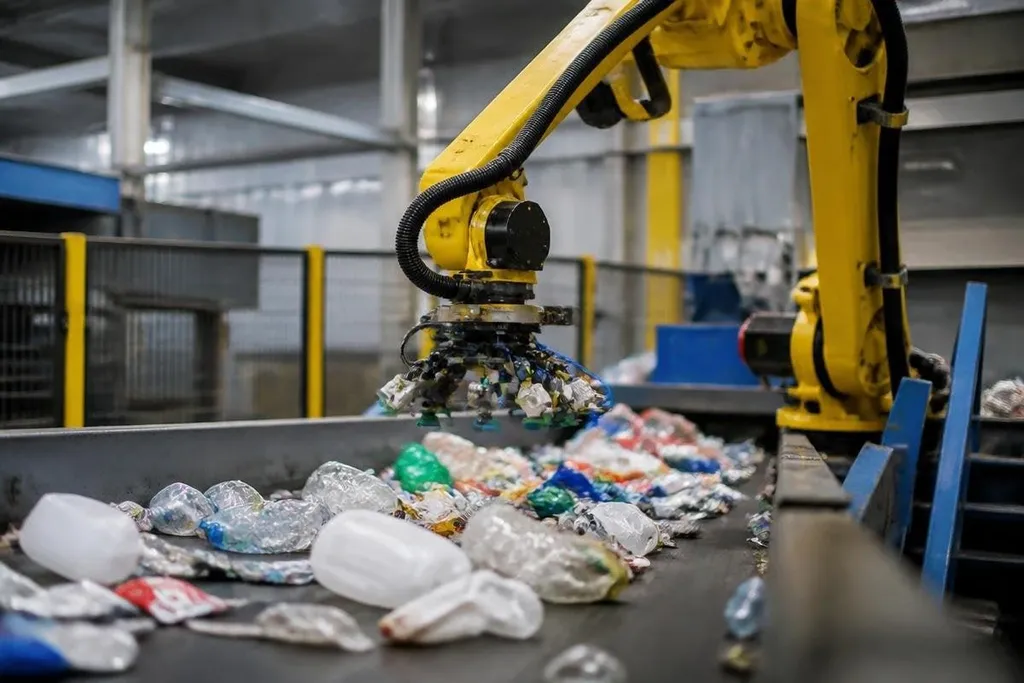
That estimate gives the robot a target. A control system then links the target to a physical action: move the arm to a location, close the gripper, and place the item in a bin. Some systems may use a burst of air to push light packaging off the belt instead of picking it up.
The important change happens before the arm moves. Older sorting systems can depend on set positions or simple sensors. An AI system can work from more visual detail, which may help when an item arrives at an odd angle or sits partly under another item.
AI still needs a clear task. A model trained to separate plastic bottles from aluminum cans may perform poorly when it sees food-covered packaging, black plastic, or an item missing its label.
Where the robot gains time
Recycling plants handle a stream of objects that never arrives in the same order. A human worker can spot a useful difference between two items, but repeated sorting can cause fatigue. A robot can keep checking images while the conveyor runs, provided its camera view, arm speed, and safety system match the line.
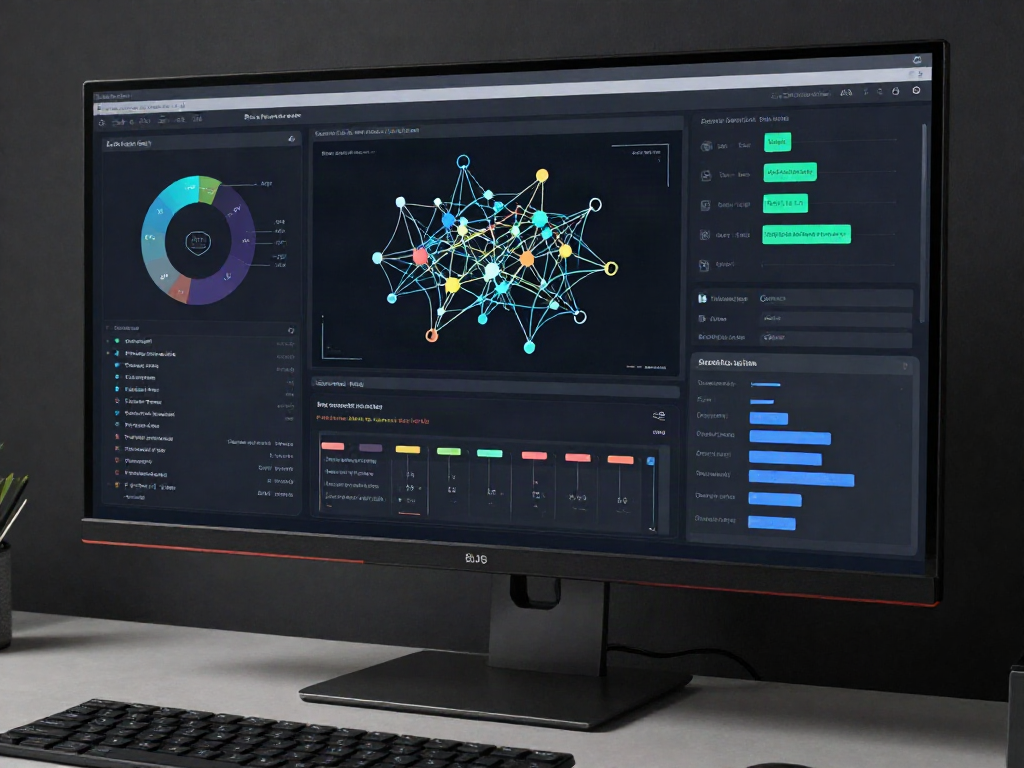
Those records can show how many items the system missed and whether the waste mix changed. When you read a report from Robot 24, check whether it names the robot and test date. That detail helps you separate a software error from a pickup problem caused by crowded items or a fast belt.
The physical layout still sets the limit. If items overlap, the camera may see only part of each object. If the belt moves too fast, the arm may identify a target but miss the pickup window. Better software cannot fix a gripper that cannot reach the item in time.
The hard cases AI must handle
Training data is the first concern. The model needs images that match the plant where it will run, including local packaging, dirt, crushed containers, glare, shadows, and seasonal changes. A model trained on clean samples may give weak results on a dirty conveyor.
The system also needs a safe response to uncertainty. When the model cannot separate a plastic tray from a coated paper item, the robot should send it to a review stream or leave it on the belt. A wrong pick can contaminate a full batch, so the plant needs a way to measure mistakes rather than count every pick as a success.
New packaging creates another problem. A product redesign can change the shape or label that the model learned. Staff may need to add new images and check the model again before trusting the new result.
I’d judge an AI sorting system by its missed items and contamination rate, not by a polished arm demo.
A practical check before buying
Use these questions when comparing a recycling robot or planning a pilot:
- Name the material stream: define the items the robot must sort and the items it may ignore.
- Check the camera view: test glare, shadows, dirt, overlap, and crushed packaging on the real conveyor.
- Measure the pickup window: record belt speed, item spacing, arm reach, and the time from detection to movement.
- Set an uncertainty rule: decide where unclear items go and who reviews the results.
- Track the right errors: record missed targets, wrong picks, contamination, downtime, and maintenance work.
- Plan model updates: set a process for adding images when packaging or waste sources change.
A pilot should start with one material stream and a clear measurement period. That gives the plant a useful comparison against its present sorting method, even if the AI model needs more training.
AI can help a recycling robot make better choices from messy visual input, but the result depends on the full system around it. The open question is how much sorting work a plant can hand to software while keeping contamination low and human review practical.