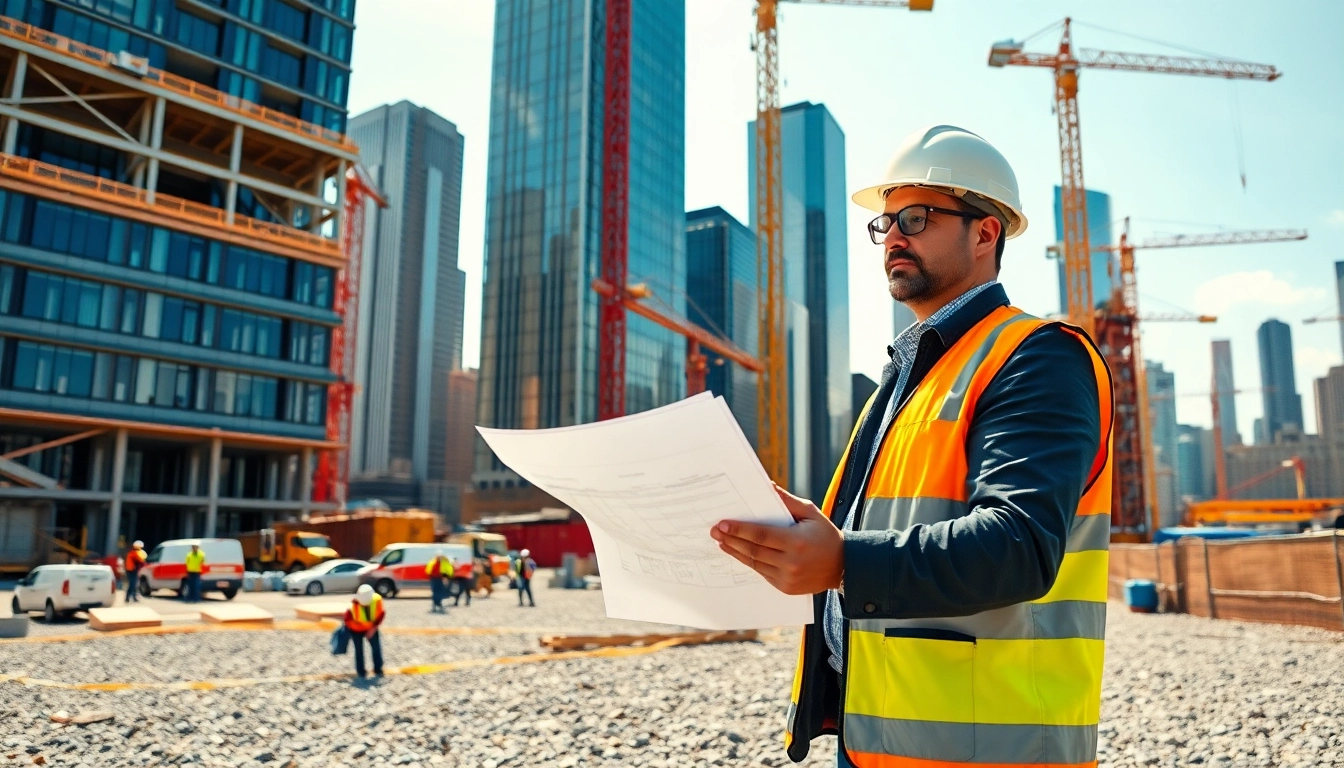
Understanding the Role of a New York Construction Manager
The role of a New York Construction Manager is pivotal in the construction landscape of the city that never sleeps. As urbanization accelerates and projects become increasingly complex, construction managers are tasked with overseeing every facet of construction projects—from initial planning to project completion. They serve as the linchpin between various stakeholders, ensuring that all aspects of construction align seamlessly. This article delves into the responsibilities, required skills, and overall impact of construction managers on the dynamics of urban development in New York City.
Overview of Responsibilities
A New York Construction Manager's primary responsibilities revolve around the planning, execution, and completion of construction projects. These responsibilities can be broken down into several key areas:
- Project Planning: Initiating projects with detailed budgets, timelines, and resource allocation.
- Contract Management: Overseeing contracts and liaising between contractors, subcontractors, and vendors.
- Compliance and Quality Control: Ensuring adherence to safety regulations and building codes, along with maintaining quality throughout the project lifespan.
- Team Leadership: Directing construction crews, managing subcontractors, and coordinating with architects and engineers.
- Problem-Solving: Addressing unforeseen issues that emerge during construction, whether they be funding shortfalls, environmental concerns, or staffing problems.
Key Skills Required for Success
To excel in the competitive landscape of New York's construction industry, a construction manager must possess a unique blend of technical knowledge, interpersonal skills, and industry experience. Essential skills include:
- Project Management Expertise: A thorough understanding of project management methodologies is crucial, including proficiency in tools like Gantt charts and project management software.
- Strong Communication Skills: The ability to articulate information clearly, while maintaining positive relationships with stakeholders, is vital.
- Negotiation Skills: Effective negotiation with suppliers and contractors helps manage project budgets and timelines.
- Financial Acumen: A good grasp of budgeting, accounting principles, and cost analysis ensures financial oversight.
- Technical Proficiency: Familiarity with construction practices, building materials, and relevant technology is essential.
Impact on Construction Projects
The effectiveness of a New York Construction Manager can significantly affect a project's outcome. Their role impacts not just the project delivery but also the broader community. Here’s how they influence construction projects:
- Efficiency: A skilled manager adheres to schedules and budgets, minimizing waste and delays.
- Innovation: By integrating new technologies and methodologies, they can enhance project quality and reduce costs.
- Community Engagement: Construction managers often liaise with the community to ensure that projects meet local needs and regulations, fostering goodwill.
- Environmental Responsibility: They can advocate for sustainable practices that minimize the ecological footprint of construction activities.
Challenges Faced by New York Construction Managers
Despite their crucial role, New York Construction Managers face a multitude of challenges that can derail projects. Understanding and navigating these challenges is critical for on-time, on-budget delivery.
Regulatory and Compliance Hurdles
New York's construction landscape is one of the most regulated in the country. Managers must navigate complex building codes, zoning laws, and safety regulations. Non-compliance can lead to costly delays and penalties. To overcome these challenges, construction managers must stay updated with local legislation and develop a robust compliance strategy to ensure all regulatory measures are met.
Budget Management and Cost Control
Budgeting in construction is multifaceted and can be unpredictable. Fluctuations in material costs, unexpected labor expenses, and project scope changes can significantly impact the bottom line. A construction manager must implement rigorous budgeting practices and contingency planning to mitigate these risks. Utilizing financial forecasting and real-time budget tracking tools can enhance fiscal oversight and improve decision-making.
Managing Stakeholder Expectations
Balancing the needs and expectations of various stakeholders—clients, investors, community members, and team members—can be a daunting task. A New York Construction Manager must ensure clear and continuous communication with all parties involved, aligning project goals with expectations. This includes scheduling regular updates and being transparent about potential issues that may arise, thus fostering trust and cooperation across the board.
Best Practices for Effective Construction Management
To navigate challenges and achieve successful outcomes, construction managers in New York can follow several best practices tailored to the unique environment they work within.
Utilizing Technology in Project Management
Technology plays a pivotal role in modern construction management. Tools such as Building Information Modeling (BIM), project management software, and collaborative platforms help streamline processes. These tools allow for better visualization, communication, and documentation management, which enhances efficiency and accuracy throughout the project lifecycle. Managers should invest in training their teams to use these technologies effectively.
Creating Effective Communication Channels
Open communication within teams and with external stakeholders is vital for project success. Establishing clear communication protocols, including regular meetings, status updates, and collaborative tools, can help keep everyone aligned on milestones and deliverables. By fostering a culture of transparency, construction managers can effectively manage expectations and minimize misunderstandings.
Implementing Safety Standards and Protocols
Safety is paramount in the construction industry, particularly in a high-activity environment like New York. Implementing comprehensive safety training and compliance protocols ensures that all workers are aware of best practices and emergency procedures. Regular safety audits and feedback sessions can identify areas for improvement, culminating in a safer work environment for all involved.
Career Pathways for New York Construction Managers
The pathway to becoming a New York Construction Manager typically involves a combination of education, certifications, and relevant industry experience. Understanding these components can help aspiring professionals prepare for a successful career in construction management.
Educational Requirements
Most construction managers hold at least a bachelor's degree in construction management, civil engineering, architecture, or a related field. Coursework typically includes project management, construction methods, materials science, and structural design. Additionally, master’s degrees can enhance qualifications and may be preferred for higher-level management positions.
Certifications and Professional Development
Certifications such as the Project Management Professional (PMP) and those offered by the Construction Management Association of America (CMAA) can significantly enhance a candidate's marketability. Continuous professional development through workshops, seminars, and courses on emerging technologies and practices is also crucial for staying relevant in the field.
Career Advancement Opportunities
With experience, a construction manager can advance to senior positions such as director of construction, operations manager, or even executive roles within construction firms. Networking within associations and organizations can provide additional opportunities for advancement and result in valuable mentorship connections.
Future Trends Influencing New York Construction Management
The construction landscape is continuously evolving due to technological advancements, changing regulations, and societal needs. New York Construction Managers must stay attuned to emerging trends to adapt and foster innovation in their projects.
Sustainability in Construction Practices
The push towards sustainability is transforming how construction projects are conceptualized and executed. In New York, environmental regulations are tightening, requiring construction managers to adopt greener practices. Initiatives may include using sustainable materials, implementing energy-efficient systems, and engaging in waste reduction strategies. Construction managers who prioritize sustainability not only comply with regulations but also appeal to environmentally conscious clients.
Innovative Construction Materials and Methods
Advancements in construction materials—and techniques continue to reshape the industry. Innovations such as modular construction, prefabrication, and advanced building materials increase efficiency, reduce waste, and improve safety. Staying informed about new materials and methods equips construction managers to incorporate innovations that can enhance project outcomes.
Adapting to Changing Urban Landscapes
New York is a city in constant flux, with urban development trends shifting towards mixed-use spaces that promote community engagement and accessibility. A New York Construction Manager must understand local market demands and urban planning initiatives to design projects that are not only functional but also contribute positively to the urban landscape. Emphasizing adaptability and responsiveness to local needs will be key in future construction initiatives.