Essential Pressure Wash Tips for 2025: Transform Your Home’s Curb Appeal
Understanding Pressure Washing: What You Need to Know
Pressure washing, a cleaning method using high-pressure water spray, has become a go-to solution for maintaining the exterior of homes and businesses alike. As property owners in Kissimmee, FL, and the greater Orlando area continue to seek ways to enhance and protect their properties, understanding the ins and outs of pressure wash services is crucial. In this comprehensive guide, we will explore what pressure washing entails, how it works, its benefits, and the best practices for choosing the right service provider.
What is Pressure Washing?
Pressure washing, also known as power washing, involves using a mechanical sprayer to shoot high-pressure water at surfaces to remove dirt, mold, grime, and other debris. While the term “pressure washing” is often used interchangeably with “power washing,” the two methods differ slightly in terms of equipment and technique. Pressure washing typically employs cold water while power washing utilizes heated water to achieve more effective cleaning results, especially in the case of grease and oil stains.
How Does Pressure Washing Work?
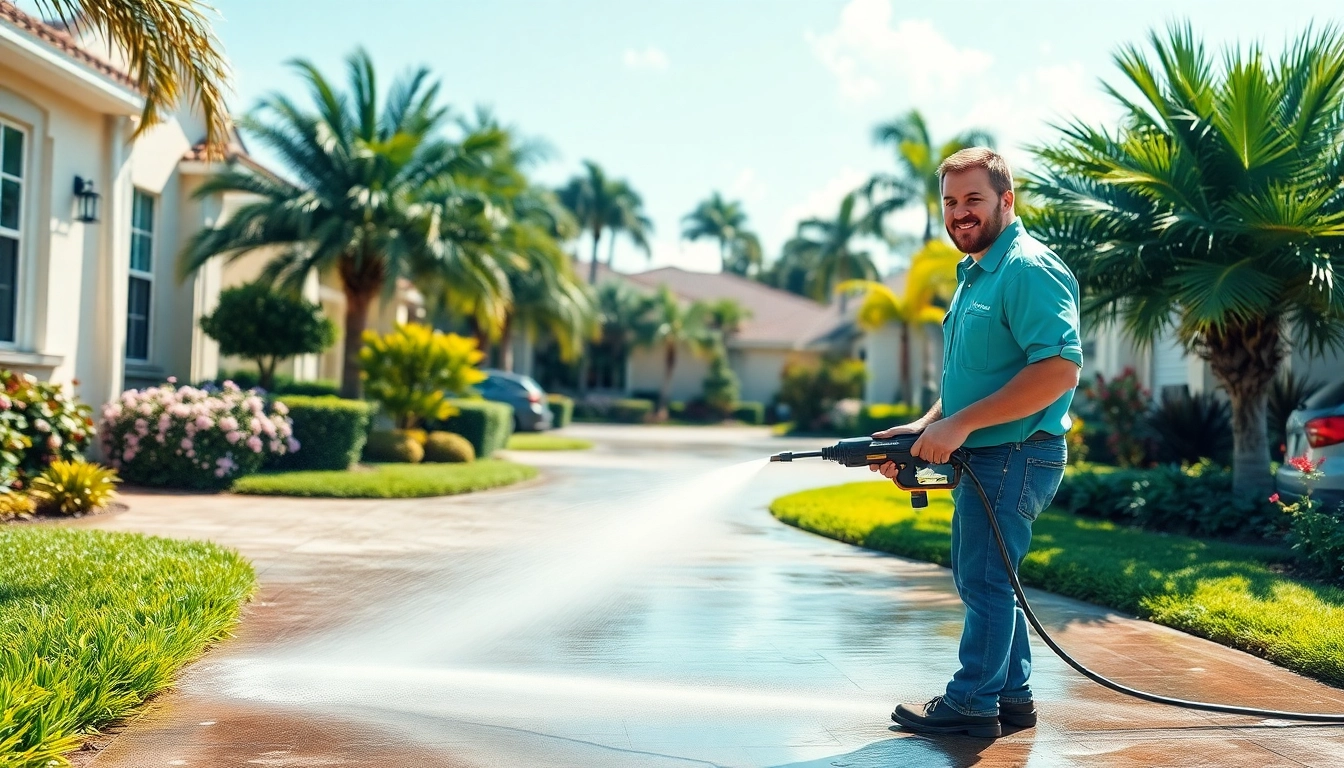
The mechanics of pressure washing revolve around a few key components. A pressure washer consists of a motor (gas or electric) that powers a pump, which pressurizes the water before forcing it through a hose and out of a nozzle. The pressure can vary significantly, often ranging from 1,300 to 3,500 PSI (pounds per square inch), allowing for a customizable cleaning experience based on the surface being treated. Nozzles can be switched to alter the spray pattern, further enhancing cleaning efficiency.
Benefits of Pressure Washing for Homeowners
- Enhanced Curb Appeal: A clean exterior can dramatically improve the appearance of your home, making it more inviting and appealing to visitors and potential buyers.
- Preventive Maintenance: Regular pressure washing can help prevent the buildup of harmful substances like mold, mildew, and algae, which can deteriorate surfaces over time.
- Increased Property Value: Maintaining the cleanliness of your home can lead to higher property values by safeguarding your investment and reducing future repair costs.
- Better Health: By removing allergens and pollutants that accumulate on surfaces, pressure washing promotes a healthier living environment for you and your family.
Choosing the Right Pressure Washing Service in Kissimmee
To ensure a successful cleaning experience, selecting a reputable pressure washing service in Kissimmee is essential. Here are some factors to consider when making your choice:
What to Look for in a Pressure Washing Company
- Experience: Look for companies with a proven track record and positive customer reviews. An experienced provider is more likely to deliver satisfactory results.
- Insurance and Licensing: Ensure the company is fully insured to protect you from liability in case of accidents or damages during the cleaning process.
- Eco-Friendly Practices: Choose a company that utilizes eco-friendly cleaning agents and methods, ensuring that your property is cleaned without harming the environment.
Cost Considerations for Pressure Washing Services
The cost of pressure washing services can vary depending on several factors, including the size of the area being cleaned, the type of cleaning required, and the company’s pricing structure. Generally, homeowners can expect to pay between $0.15 and $0.75 per square foot for residential pressure washing, with the national average hovering around $0.30.
Top Questions to Ask Your Pressure Washing Provider
- What methods do you use for pressure washing and how do they differ?
- Can you provide references and past project examples?
- What type of equipment do you use, and is it suitable for my surfaces?
- What is your policy regarding satisfaction guarantees?
Pressure Washing Techniques: Maximizing Results
To achieve optimal results when pressure washing, it’s important to understand the various techniques and methods available.
Hot Water vs. Cold Water Pressure Washing
While cold water pressure washing is effective for general cleaning, hot water pressure washing is often preferred for tough stains and grime. The heated water works more effectively to dissolve dirt, grease, and oil, making it a popular choice for commercial applications and heavily soiled surfaces.
Soft Washing Techniques for Sensitive Surfaces
Soft washing, a technique that combines low pressure with specialized cleaning solutions, is ideal for delicate surfaces like roofs and painted siding. This method minimizes the risk of damage while effectively removing contaminants, making it a safe choice for preserving the integrity of your property.
Common Mistakes to Avoid During Pressure Washing
- Using Too Much Pressure: Excessive pressure can damage surfaces, especially softer materials such as wood and vinyl siding.
- Neglecting Safety Precautions: Always wear protective gear and ensure proper safety protocols are followed during the cleaning process.
- Forgetting to Test Surfaces: Always test a small, inconspicuous area before pressure washing a larger surface to avoid damaging it.
Maintaining Your Property After Pressure Washing
After investing time and resources in pressure washing, maintaining your property’s cleanliness is crucial to prolonging its appeal and preventing the recurrence of dirt and grime.
Best Practices for Long-Lasting Cleanliness
- Regular Inspections: Periodically check your exterior surfaces for signs of mold, mildew, or discoloration.
- Gutter Maintenance: Keep gutters clean and free of debris to prevent water buildup that can lead to mold growth and damage.
- Scheduled Cleanings: Develop a schedule for regular pressure washing, ideally every 1-2 years, to maintain your home’s appearance.
How Often Should You Pressure Wash?
The frequency of pressure washing will depend on several factors, including your local climate, the type of surfaces you have, and any specific environmental factors. Generally, it is advisable to pressure wash your home every 1-2 years, while high-traffic areas such as driveways and patios may require more frequent cleaning.
Eco-Friendly Cleaning Solutions for Homeowners
Many pressure washing companies now offer eco-friendly cleaning solutions that effectively clean surfaces without harming the environment. Opting for these methods not only contributes to a cleaner community but also protects local wildlife and water sources.
The Future of Pressure Washing: Trends for 2025 and Beyond
As technology advances, the pressure washing industry is evolving, bringing new innovations and practices to the fore. Here’s a look at some trends shaping the future of pressure washing.
Innovations in Pressure Washing Technology
Expect to see the introduction of more advanced pressure washing equipment that harnesses smart technology to enhance cleaning efficiency. Remote control functionalities, automated pressure adjustment systems, and AI-based assessments are likely to become commonplace, making the cleaning process more efficient and user-friendly.
The Growing Importance of Eco-Friendly Practices
With increasing environmental awareness, the demand for eco-friendly pressure washing practices is on the rise. Companies are increasingly opting for biodegradable detergents and sustainable water management practices to minimize their ecological footprint.
Predicted Market Trends for Pressure Washing Services
Market analysis suggests continued growth in the pressure washing industry, driven by both residential and commercial demand. As consumers become more conscious of cleanliness and property maintenance, companies that adapt to these changing preferences will likely thrive.