
Combining College Volunteering With Healthcare Education for Maximum Impact
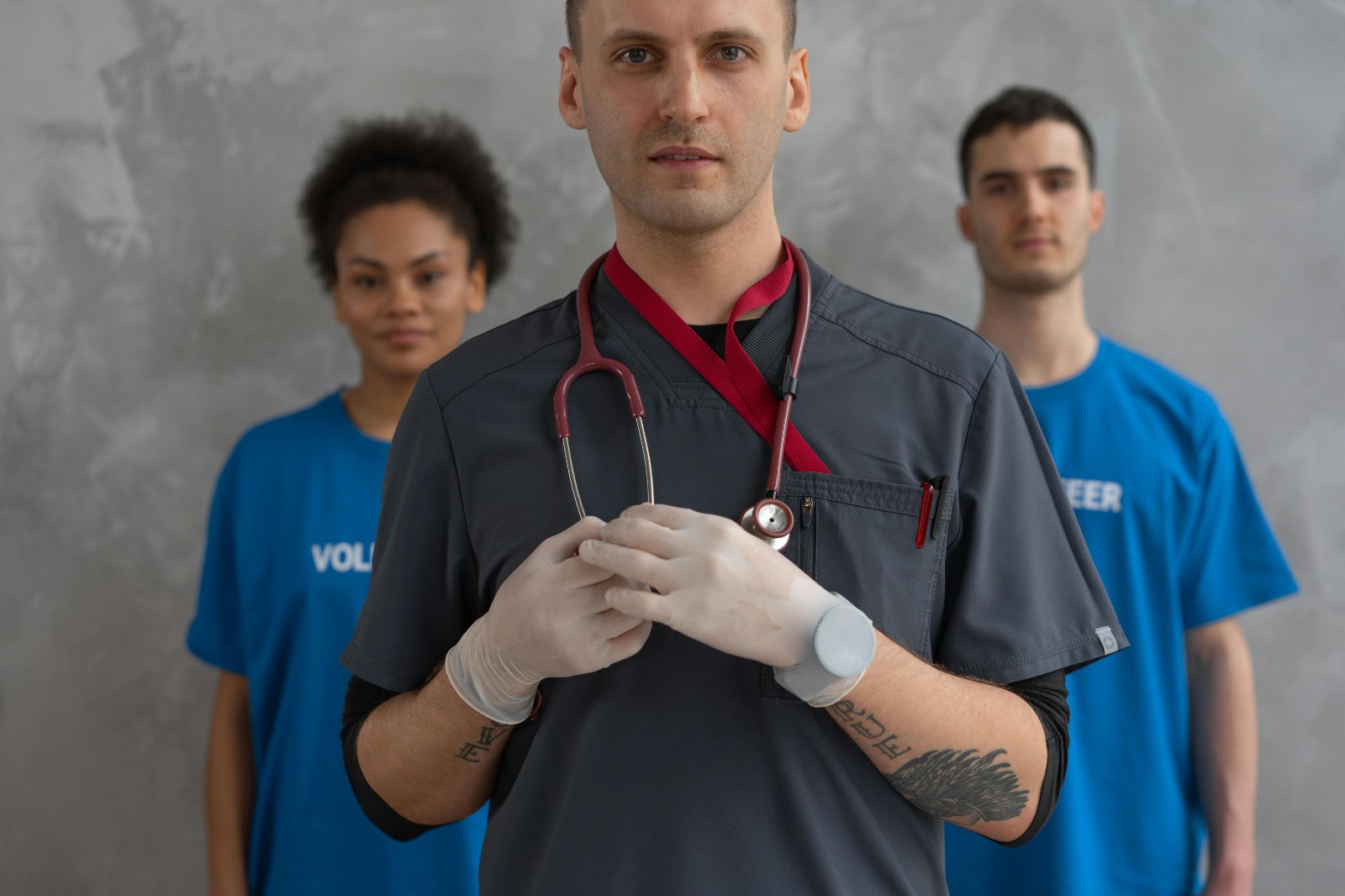
College students today are increasingly looking for ways to make a meaningful difference in their communities while gaining valuable experience for their future careers. One of the most effective ways to achieve this is through College volunteering in healthcare settings. By integrating volunteering with healthcare education, students can develop essential skills, deepen their understanding of medical practices, and positively impact the lives of patients. This approach not only enhances a student’s resume but also fosters empathy, leadership, and practical knowledge that classroom learning alone cannot provide.
The Benefits of College Volunteering in Healthcare
Engaging in college volunteering within healthcare offers students numerous benefits. First, it allows students to observe medical professionals in action, giving them insight into patient care, hospital operations, and interdisciplinary collaboration. Second, volunteering provides hands-on experience in healthcare environments, helping students understand the realities of working in medicine beyond theoretical knowledge. Third, it nurtures soft skills such as communication, empathy, and teamwork—skills crucial for anyone pursuing a healthcare career. These experiences often guide students in making informed decisions about their medical education paths and career choices.
How College Volunteering Enhances Healthcare Education
Integrating college volunteering with healthcare education creates a synergistic learning experience. Students who volunteer in hospitals, clinics, or community health programs can directly apply classroom knowledge to real-world situations. For instance, understanding human anatomy or patient psychology becomes more meaningful when students see these concepts in practice. Volunteering also helps students grasp the ethical and emotional challenges in medicine, preparing them to handle complex situations with compassion and professionalism. By combining volunteering with formal education, students bridge the gap between theory and practice, gaining a more holistic understanding of healthcare.
Types of College Volunteering Opportunities in Healthcare
There are diverse ways for students to participate in college volunteering within healthcare:
- Hospital Volunteering: Students can assist with patient transport, administrative tasks, or supporting staff in various departments.
- Community Health Clinics: Volunteering in clinics offers exposure to preventative care, patient education, and public health initiatives.
- Medical Research Assistance: Students can support research projects, collect data, and help with clinical trials under supervision.
- Health Education Programs: Volunteering to educate communities about nutrition, hygiene, or disease prevention combines service with learning.
- Specialized Volunteer Programs: Programs focusing on pediatric care, geriatrics, or mental health allow students to gain niche experience relevant to their future careers.
Each opportunity enhances a student’s healthcare education while contributing positively to the community.
Developing Skills Through College Volunteering
College volunteering in healthcare allows students to develop both technical and interpersonal skills. Technical skills may include basic patient care, understanding medical equipment, or assisting with health screenings. Interpersonal skills include empathy, active listening, teamwork, and cultural competence. These skills are essential for building patient trust and working effectively in multidisciplinary teams. Additionally, volunteering helps students improve their problem-solving and critical thinking abilities, as real-world healthcare scenarios often require quick decision-making and adaptability.
Building a Meaningful Resume with College Volunteering
Participation in college volunteering is a strong differentiator for students applying to medical schools or healthcare programs. Admissions committees value applicants who demonstrate commitment, compassion, and real-world experience. Documenting volunteer hours, responsibilities, and specific achievements showcases a student’s dedication to service and their proactive approach to learning. This hands-on experience, paired with academic performance, creates a compelling profile for scholarships, internships, and future employment in healthcare fields.
Balancing College Volunteering With Academic Responsibilities
While the benefits of college volunteering are significant, students must balance these activities with their academic responsibilities. Effective time management is key. Students should prioritize volunteering opportunities that align with their healthcare education goals while maintaining strong academic performance. Many colleges offer programs that integrate volunteering with course credit or structured internships, allowing students to maximize both learning and service. Setting realistic schedules and goals ensures that students gain the maximum impact from their volunteering efforts without compromising their studies.
Inspiring Future Healthcare Professionals
College volunteering plays a crucial role in inspiring the next generation of healthcare professionals. Students exposed to the realities of patient care often develop a stronger sense of purpose and motivation to pursue healthcare careers. They learn the importance of empathy, advocacy, and lifelong learning, which are fundamental qualities in medicine. Furthermore, volunteering fosters a network of mentors, peers, and professionals who can guide students through their educational and career journeys, providing both inspiration and practical support.
Measuring the Impact of College Volunteering
The impact of college volunteering extends beyond the student. Communities benefit from increased support, improved patient care, and enhanced public health awareness. For students, the experience contributes to personal growth, professional readiness, and a deeper understanding of societal health challenges. Many programs offer feedback and reflection opportunities, allowing students to evaluate their contributions, set future goals, and continuously improve their skills. This cycle of service and learning reinforces the value of volunteering as a transformative educational tool.
Conclusion
Combining college volunteering with healthcare education offers a unique opportunity to enhance both personal growth and professional development. Students gain practical skills, empathy, and real-world experience that cannot be replicated in a classroom. Communities benefit from dedicated volunteers who contribute to better health outcomes and patient experiences. By thoughtfully engaging in volunteering opportunities, students can maximize the impact of their education, build meaningful careers, and foster a culture of compassion and service in healthcare. For those aspiring to make a difference, college volunteering is not just an extracurricular activity—it is a stepping stone toward a lifelong commitment to improving health and well-being.