Effective Bed Bug Control Strategies for a Pest-Free Home
Understanding Bed Bugs and Their Impact
What Are Bed Bugs?
Bed bugs, scientifically known as Cimex lectularius, are small, brownish insects that feed on the blood of humans and animals. Measuring between 1-5 mm in size, these nocturnal pests are notoriously elusive, hiding in cracks, crevices, and inside furniture. They can live for several months without a meal, making them challenging to eliminate once they infest an area.
Signs of Bed Bug Infestation
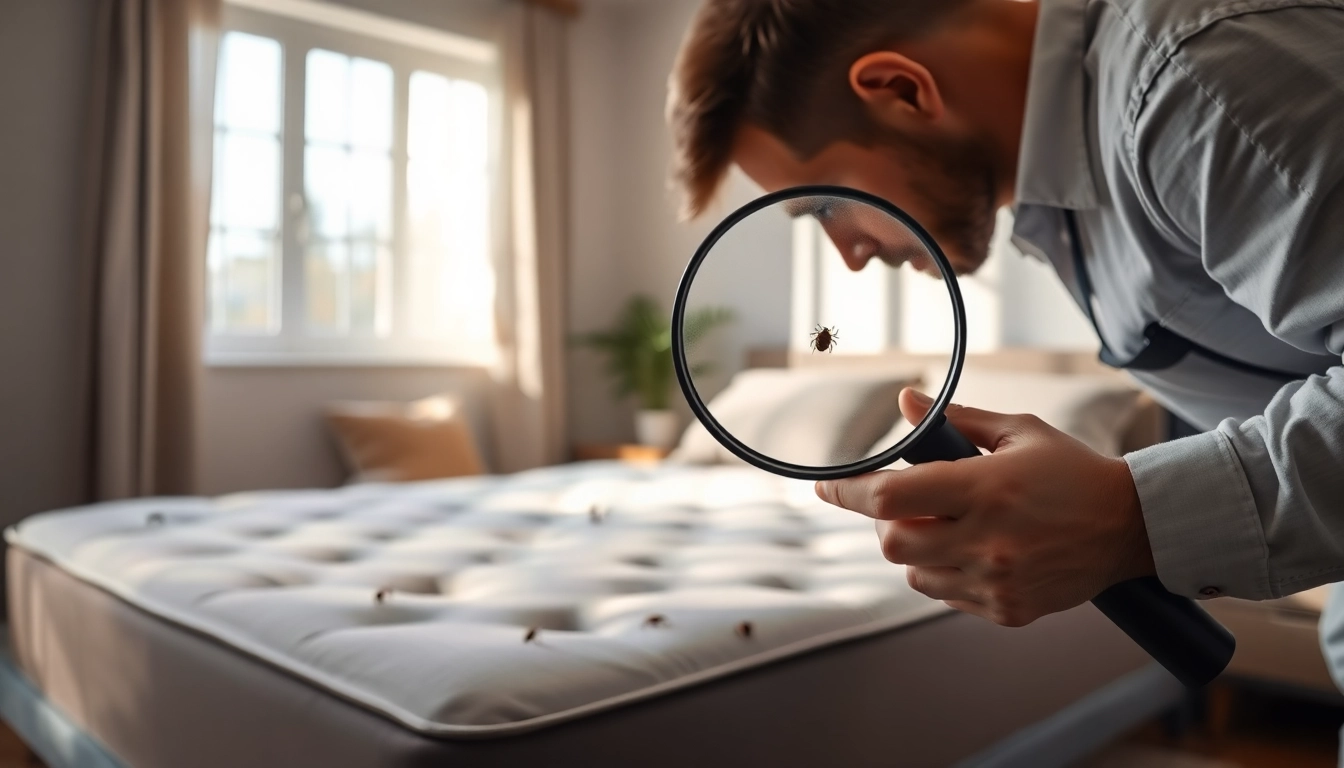
Detecting a bed bug infestation early is crucial for effective bed bug control. Common signs include:
- Bed Bug Bites: Small, red, itchy welts often appear in clusters or lines on the skin.
- Blood Stains: Tiny red or brown stains on your sheets or pajamas might indicate recent feeding.
- Dark Spots: Fecal matter appears as small black dots on surfaces where bed bugs hide.
- Egg Casings: Pale yellow shells cluster near feeding sites where bed bugs laid eggs.
The Dangers of Bed Bug Infestations
Beyond their uncomfortable bites, bed bugs pose various risks, including significant psychological distress. The presence of bed bugs can lead to insomnia, anxiety, and emotional trauma in affected individuals. Additionally, they can negatively impact social and professional lives due to embarrassment and stigma surrounding infestations.
Preventive Measures for Bed Bug Control
Creating a Bed Bug-Free Home Environment
Establishing preventative measures against bed bugs is essential for maintaining a healthy living space. Strategies include:
- Regular Inspections: Frequently check bedding and furniture for signs of bed bugs.
- Decluttering: Reduce clutter around your home to minimize bed bug hiding spots.
- Protective Covers: Use bed bug-proof mattress covers to shield mattresses and box springs.
Best Practices for Minimizing Risks
Implementing daily practices can significantly reduce the risk of bed bug infestation:
- Travel Caution: Inspect hotel rooms and keep luggage off the floor when traveling.
- Used Furnishings: Thoroughly inspect any secondhand items before bringing them into your home.
- Frequent Cleaning: Regularly wash bedding and vacuum your home, making sure to dispose of the vacuum bag properly.
Use of Technology in Prevention
Advancements in technology provide innovative solutions for preventing bed bug infestations:
- Monitoring Devices: Bed bug detection monitors can help identify early signs of infestations.
- Heat Treatment Units: Some treatments use heat to eliminate bed bugs in household items.
DIY Bed Bug Control Techniques
Home Remedies for Bed Bug Control
While professional help is often necessary, several effective DIY solutions can complement those efforts:
- Vacuuming: Regular vacuuming of carpets, furniture, and bed frames can remove bugs and debris.
- Steam Cleaning: High-temperature steam can kill bed bugs and their eggs on contact.
- Essential Oils: Some oils, like tea tree and lavender, may repel bed bugs when used in a spray solution.
Best Commercial Products for Bed Bug Control
If you opt for commercial solutions, look for products specifically designed for bed bugs. These often include:
- Pesticides: Look for EPA-approved sprays that specifically mention bed bugs.
- Dusts: Insecticidal dusts can reach into cracks and crevices where bed bugs hide.
Step-by-Step Guide to Implement DIY Solutions
When tackling a bed bug problem yourself, follow these steps:
- Identify the infested areas and inspect bedrooms, living areas, and soft furnishings.
- Declutter the affected spaces and remove any items that cannot be cleaned.
- Vacuum thoroughly and dispose of the vacuum cleaner bag outside.
- Wash all bed linens, clothing, and affected fabrics in hot water and dry on high heat.
- Apply commercial products or home remedies as needed, following instructions on usage.
- Monitor the treated areas for re-emergence and repeat as necessary.
When to Seek Professional Help
Signs You Need Expert Bed Bug Control
Recognize when it’s time to call in the professionals. Signs include:
- An increasing number of bed bug bites or sightings.
- Presence of bed bugs in multiple rooms.
- Failed DIY methods or products that do not yield results.
Choosing the Right Pest Control Service
When seeking expert assistance, consider the following criteria:
- Experience: Choose a company with a proven track record in bed bug treatments.
- Methods Used: Ensure they utilize safe and effective elimination methods, such as Integrated Pest Management (IPM).
- Reviews: Look for customer testimonials or ratings to assess overall satisfaction.
What to Expect from Professional Treatments
Professional bed bug control typically involves multiple treatment visits. Expect the following:
- A comprehensive inspection to assess the extent of the infestation.
- Customized treatment plans tailored to your specific situation.
- Follow-up visits to monitor the effectiveness and prevent re-infestation.
Frequently Asked Questions about Bed Bug Control
How do I identify a bed bug infestation?
Look for bite marks on your body, blood spots on sheets, feces, and visible bed bugs in crevices, mattresses, and furniture.
What home remedies can help with bed bug control?
Using high-temperature steam, essential oils, and regular vacuuming can aid in controlling bed bugs effectively.
How much does bed bug control cost?
The cost for bed bug control varies based on the level of infestation and treatment methods but typically ranges from several hundred to a few thousand dollars.
Can I eliminate bed bugs without professional help?
While DIY methods can help, many infestations require professional intervention for complete eradication and prevention.
How do I prevent future infestations?
Regular inspections, encasing mattresses, and being cautious when traveling can help prevent future bed bug infestations.