Elegant Wedding Flowers: Transform Your Special Day with Stunning Arrangements
The Significance of Wedding Flowers
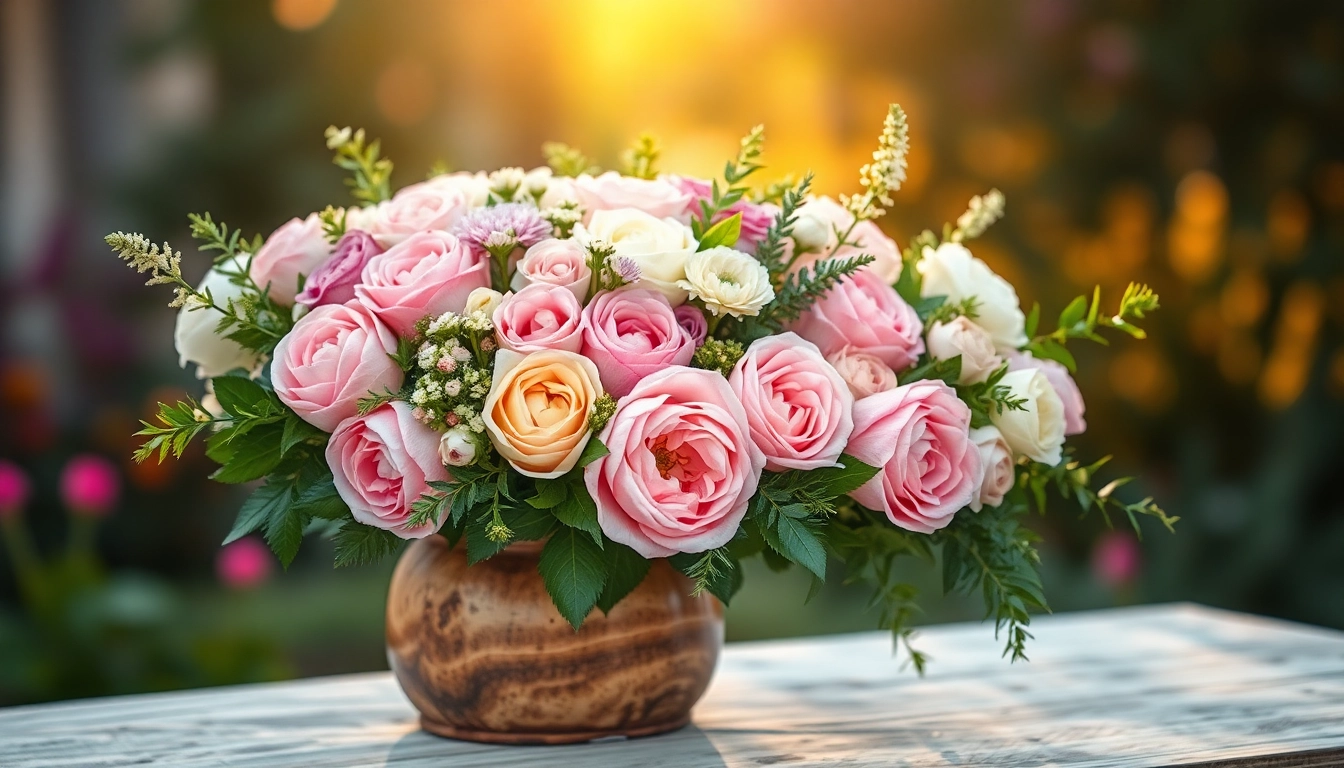
Wedding flowers play an integral role in the visual and emotional landscape of any wedding ceremony. They are not just ornamental; they carry layers of symbolism and meaning, embodying the sentiments of love, joy, and union shared between couples on their special day. From bridal bouquets to table centerpieces, wedding flowers set the mood, tone, and style of the overall event.
Symbolism and Meaning of Different Wedding Flowers
Each flower carries its unique symbolism that can enrich the couple’s experience, making the choice of flowers a personalized aspect of wedding planning. For example:
- Roses: Known for their classic beauty, roses symbolize love and passion. They are a perennial favorite that transcends wedding seasons.
- Lilies: Often signifying purity and refined beauty, white lilies make elegant statements, especially in formal wedding themes.
- Tulips: These flowers represent elegance and are associated with a true love. Their clean lines and cheerful colors offer a fresh look.
- Poppies: Known for symbolizing peace and sleep, poppies can add a whimsical, organic touch to a wedding setting.
- Sunflowers: Bright and bold, sunflowers symbolize adoration and loyalty, making them perfect for rustic-themed weddings.
Understanding each flower’s meaning allows couples to curate their arrangements to reflect their personal story, enhancing the emotional depth of their vows.
Choosing Flowers that Fit Your Wedding Theme
Your wedding theme can dictate your floral choices significantly. For instance:
- Rustic Themes: Opt for wildflowers, sunflowers, and earthy tones to create a warm, organic look.
- Classic Weddings: Roses, peonies, and lilies in traditional colors like white, blush, and deep reds can evoke elegance.
- Beach Weddings: Go for tropical flowers such as hibiscus or orchids that introduce vibrant colors and a laid-back vibe.
The key is to ensure your flowers complement the overall aesthetic of your wedding, helping to create a cohesive look throughout the event.
Seasonal Availability of Wedding Flowers
Seasonality affects not just the availability of certain types of flowers but also their cost and overall quality. For example:
- Spring: This season boasts romantic blooms like tulips, peonies, and lilacs, known for their lush appearances and delightful scents.
- Summer: Bright blooms such as sunflowers, dahlias, and zinnias come alive, offering bold colors suitable for outdoor weddings.
- Autumn: Seasonal offerings include chrysanthemums, roses, and ornamental grasses, which provide rich colors and textures.
- Winter: Unique varieties like holly, evergreens, and seasonal blooms such as amaryllis and poinsettias can create stunning arrangements amidst a winter backdrop.
Choosing flowers based on their seasonal availability not only enhances beauty but also keeps costs manageable.
Types of Wedding Flowers for Every Preference
With an infinite range of floral choices available, there’s something for every couple. From traditional arrangements to unique alternatives, understanding various options can help inform your choices.
Popular Floral Choices for Brides and Grooms
For those sticking to classic traditions, popular arrangements include:
- Bridal Bouquets: The quintessential poke of each wedding day, often made with a mix of several flower types like peonies, roses, and greenery to create depth.
- Centerpieces: These can vary based on choice; tall arrangements with lilies or compact ones with hydrangeas offer various moods.
- Boutonnieres: A mini floral arrangement worn by the groom and groomsmen, often matching the bouquet style.
The combination of these classic elements helps create an elegant and unified look throughout the wedding decor.
Unique Alternatives to Traditional Wedding Flowers
Couples looking for something different may select alternatives that speak to their unique personality:
- Sola Wood Flowers: Crafted from a renewable wood source, these eco-friendly options are customizable and last long after the event.
- Paper Flowers: These can be made from recycled materials, adding a unique and personal touch to arrangements.
- Succulents: Offering a modern twist, succulents are low-maintenance and can become personal keepsakes post-wedding.
Choosing unconventional materials can create a distinctive aesthetic, drawing attention to the couple’s personality and values.
Budget-Friendly Options for Wedding Flowers
Staying within budget doesn’t mean sacrificing beauty. Here are some cost-effective strategies:
- Seasonal Flowers: Choosing flowers that are in season will significantly reduce costs.
- DIY Arrangements: Creating your bouquets and centerpieces can be a fun project and save money.
- Greenery: Incorporating abundant foliage can enhance the floral arrangements visually without requiring expensive blooms.
- Local Farmers: Sourcing from local growers can often be cheaper than floral shops, providing freshness and supporting small businesses.
Implementing these tips can lead to stunning arrangements that don’t break the bank, ensuring couples can have the wedding of their dreams within their budget.
Planning Your Wedding Flower Arrangement
With many aspects to consider when planning your wedding flowers, follows these steps to streamline the process.
Tips for Selecting the Right Florist
The relationship with your florist is crucial for successful floral arrangements. Here are some tips for selecting the ideal florist:
- Research Their Portfolio: Consider florists whose past work resonates with your vision. Look for photos online and read reviews.
- Schedule Consultations: Discussing ideas face-to-face helps convey your vision and gauge their understanding of your needs.
- Ask About Costing: Ensure you understand how pricing works and what’s included in quoted rates.
- Review Availability: Confirm their availability on your wedding date to avoid last-minute hassles.
A good florist can guide you in maximizing your flower budget while ensuring your vision is brought to life.
DIY Wedding Flowers: Pros and Cons
Creating your flower arrangements can be a fulfilling endeavor, yet it’s essential to weigh the benefits and challenges:
- Pros: Personalized touch, significant cost savings, and the opportunity for creative expression.
- Cons: Time-consuming, possible challenges with logistics, and potential frustrations if things don’t go as planned.
If you opt for DIY, ensure you allow ample time for practice and preparation.
Creating a Cohesive Look with Floral Decor
Floral decor should harmonize with your overall wedding theme. To achieve this:
- Establish a Color Palette: Use flowers that complement your chosen colors for dresses, table settings, and other decor.
- Incorporate Repeating Elements: Use similar arrangements for both bouquets and centerpieces for unity.
- Consider Venues: Ensure flowers fit with the overall style, whether rustic, modern, or traditional.
Cohesive floral decor creates a stunning and memorable backdrop for your special day.
Maintaining Your Wedding Flowers After the Ceremony
After the ceremony, many couples wish to preserve the beauty of their wedding flowers. Here are strategies to maintain their appeal:
Preservation Techniques for Wedding Bouquets
To keep your bouquet as a keepsake, consider these preservation methods:
- Drying: Hang the bouquet upside down in a cool, dark area. This technique helps retain the flower’s colors.
- Pressing: Flatten and dry flowers using a press or a heavy book to create a keepsake that can be framed.
- Using Silica Gel: This method involves burying flowers in silica gel to absorb moisture, maintaining their shape and color.
Pondering which method suits your style can lead to cherished memories housed in beautiful displays.
Repurposing Wedding Flowers for Reception Decor
Maximize your wedding flowers by repurposing them for your reception:
- Centerpieces: Use ceremony flowers as table centerpieces to keep costs down.
- Guest Areas: Set bouquets at reception stations or lounge areas where guests can enjoy them.
- Farewell Bouquets: Save a few arrangements for gifting or throwing at the end of the event.
This keeps the floral elements fresh and helps tie together the day’s events.
Donating Wedding Flowers: A Meaningful Gesture
Some couples choose to donate their wedding flowers after the celebration, which can be profoundly impactful:
- Finding Organizations: Look for local hospitals, shelters, or charity organizations that accept floral donations.
- Connecting with Florists: Some florists may help facilitate donations, connecting flowers with recipients in need.
- Planning Ahead: Make arrangements ahead of time to streamline the donation process post-wedding.
Donating flowers not only enhances someone else’s day but reflects the couple’s desire to share their joy and abundance with others.
Frequently Asked Questions about Wedding Flowers
What types of flowers are commonly used for weddings?
Popular choices include roses, tulips, and peonies, each bringing unique aesthetics to weddings.
How do I choose the right wedding flowers?
Consider your wedding theme, season, and personal preferences when selecting your flower arrangements.
Can I use artificial flowers for my wedding?
Yes, artificial flowers can create beautiful arrangements and are reusable, making them a popular choice.
What are some budget-friendly ideas for wedding flowers?
Consider local flowers, bulk purchases, and incorporate greenery for cost-effective yet stunning arrangements.
How can I preserve my wedding bouquet?
Drying, pressing, or using silica gel are effective methods to preserve your wedding flowers for lasting memories.