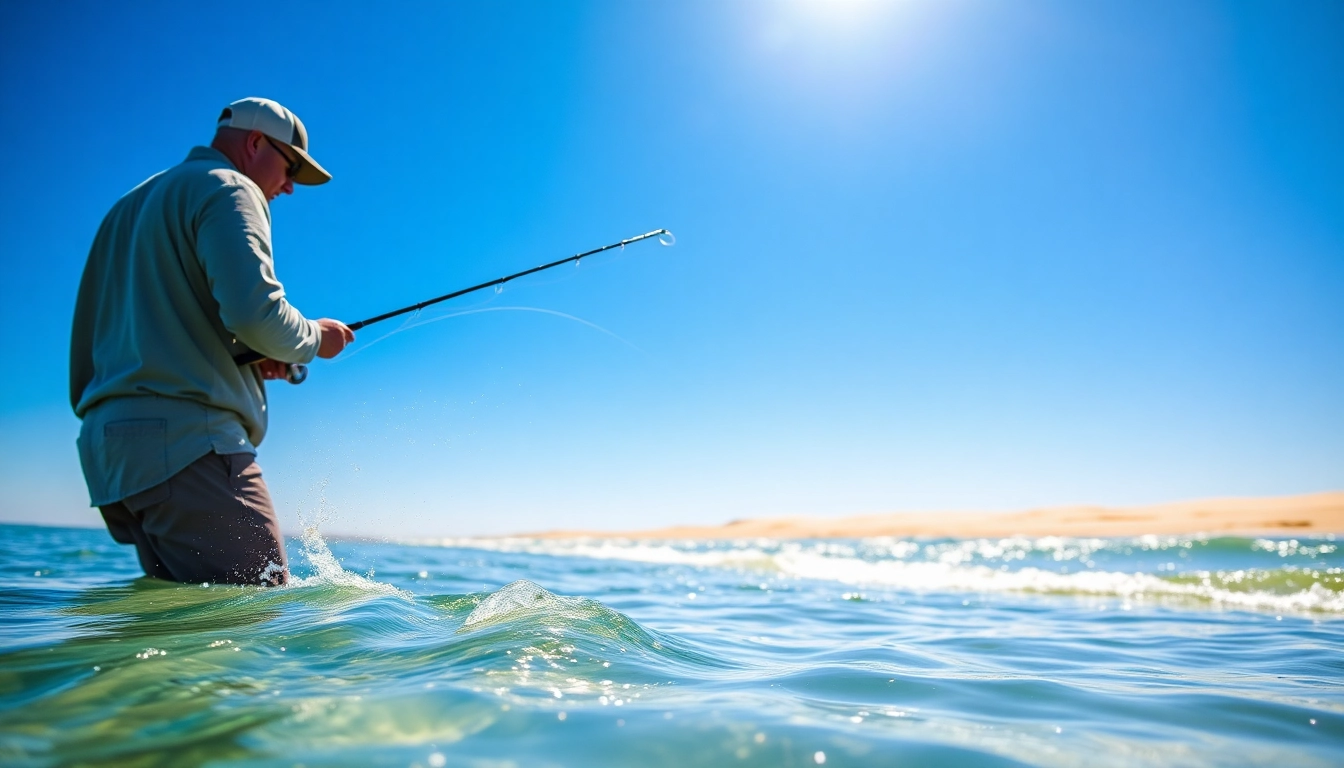
Introduction to Saltwater Fly Fishing
Saltwater fly fishing is a captivating and rewarding pursuit that invites anglers to engage with the beauty of marine environments while seeking out a variety of fish species. Unlike traditional fishing techniques, fly fishing relies on the careful presentation of an artificial fly, mimicking the natural food sources of saltwater species. Whether you are a novice eager to explore this dynamic sport or a seasoned angler looking to refine your skills, understanding the nuances of Saltwater fly fishing can significantly enhance your fishing adventures.
The Fascination of Saltwater Fly Fishing
The allure of saltwater fly fishing lies not only in the thrill of the catch but also in the scenic beauty of coastal landscapes. Anglers often find themselves surrounded by stunning vistas and diverse wildlife, creating a richly immersive experience. The challenge of mastering casting techniques, selecting the appropriate flies, and understanding fish behavior adds layers of excitement. Additionally, different locations offer unique fishing experiences, from the tranquil shallows of flats to the thrill of offshore endeavors.
Essential Gear for Saltwater Fly Fishing
To embark on your saltwater fly fishing adventure, having the right gear is crucial. Here’s an overview of the essential equipment necessary for a successful outing:
- Rod: A robust fly rod, typically ranging from 8 to 10 feet in length, is necessary for casting in various saltwater conditions. The recommended weight often falls between 8 to 12, depending on the target species.
- Reel: A quality saltwater fly reel is engineered to withstand the corrosive marine environment. Look for a reel with a strong drag system and sufficient backing capacity.
- Fly Line: Floating lines are most commonly used for shallow water fishing, while sinking lines are preferable for deeper areas. Choose a line appropriate for the species you are targeting.
- Leaders and Tippet: Select a leader material that balances strength and invisibility. Fluorocarbon leaders are ideal for stealthy presentations to wary fish.
- Flies: The choice of flies should be made based on local species and conditions. Streamers, poppers, and baitfish patterns are popular options.
Safety Considerations While Fly Fishing
When engaging in saltwater fly fishing, safety should always be a priority. Here are crucial considerations to ensure a safe and enjoyable outing:
- Sun Protection: The sun's reflection on water can increase exposure, so wearing sunscreen, sunglasses, and a wide-brimmed hat is essential.
- Stay Hydrated: Bring plenty of water, especially on hot days, to avoid dehydration.
- Know the Tides: Understanding tidal movements is vital as they greatly affect fish behavior and accessibility to fishing spots.
- Wear Appropriate Attire: Choose lightweight, breathable clothing that provides protection against possible abrasions and marine life encounters.
Techniques for Saltwater Fly Fishing
Basic Casting Techniques
Mastering basic casting techniques is fundamental to successful saltwater fly fishing. Here’s a breakdown of essential techniques:
The overhead cast is the most common casting method, where the fly is launched overhead in a single smooth motion. Key elements include:
- Stance: Stand with your feet shoulder-width apart, and position your body to face your target.
- Grip: Hold the rod firmly but not too tightly, allowing for a smooth flick during the cast.
- Backcast: Begin the casting motion by bringing the rod behind your head to load it with energy.
- Forward Cast: Quickly flick the rod forward, releasing the fly toward your target area while aiming to maximize distance with precision.
Advanced Casting Strategies
Once you're comfortable with basic casting, consider implementing advanced strategies to enhance your fishing success:
The double haul is an advanced casting technique utilized to generate additional speed and distance in your cast. This strategy involves:
- Hauling: When you pull on the line with your stripping hand during the backcast and forward cast, you add power and speed.
- Timing: Proper timing is essential for coordinating the movements of your hands to maximize the efficiency of your cast.
Furthermore, learning to cast in windy conditions by adapting your angles can prevent line tangling and improve accuracy.
Choosing the Right Fly
The selection of flies is crucial in saltwater fly fishing, as it profoundly impacts your success. Factors to consider include:
- Local Species: Research the fish species prevalent in your fishing area to choose the most effective patterns.
- Conditions: Flies that mimic prevalent baitfish, crustaceans, or even insects can trigger bites. Observing what fish are actively feeding on can guide your selection.
- Color Patterns: Bright colors can attract fish in murky waters, whereas more natural hues work better in clear conditions.
Understanding Saltwater Ecosystems
Common Species Targeted in Saltwater Fly Fishing
A variety of species inhabit saltwater ecosystems, each offering their unique challenges and rewards for fly anglers. Some popular targets include:
- Bonefish: Known for their speed and agility, bonefish thrive in shallow flats and require stealthy approaches.
- Tarpon: The "silver king" is famous for its acrobatics and powerful runs, making it a favorite among anglers.
- Permit: Recognized for their distinct appearance and challenging behavior, permit pose a significant challenge for fly fishermen.
- Snook: Adaptable and opportunistic, snook can be found in mangroves and estuaries, providing exciting fishing opportunities.
Seasonal Patterns and Their Impact
Understanding seasonal patterns is vital for effective saltwater fly fishing. Fish behavior, feeding habits, and migration patterns shift throughout the year, influenced by factors such as temperature, food availability, and spawning cycles.
In summer, warmer water temperatures often drive fish to shallower feeding areas, while winter may see the congregation of species in deeper waters. Spring and fall can present unique opportunities for targeting migrating species, making those seasons prime times for fly fishing enthusiasts.
Effective Bait and Lure Selection
Choosing the right bait or artificial lure is essential in enhancing your chances of success. The following strategies can guide you:
- Mimic Local Prey: Matching the hatch with flies or lures that imitate locally abundant bait for targeting specific species is often effective.
- Experiment with Techniques: Adjust your retrieve rates, varying speeds, and patterns to determine what inspires bites.
Best Practices for Saltwater Fly Fishing
Respecting Marine Life and Conservation Efforts
Environmental stewardship is crucial in saltwater fly fishing. Anglers should be conscious of marine habitats and practice catch-and-release whenever possible to ensure sustainability. Following guidelines, such as using barbless hooks and minimizing handling time, helps preserve fish populations for future generations.
Staying Adaptable to Weather Conditions
Weather plays a significant role in the success of saltwater fly fishing. Adaptability is key; be prepared to adjust your plans based on changing conditions. Factors such as tide phases, wind directions, or cloud cover can influence fish activity and feeding patterns.
Monitoring weather forecasts and assessing local tides helps in optimizing your fishing schedule. Having alternative locations in mind can also improve your outcome in the face of unexpected weather changes.
Optimal Fishing Times and Locations
Understanding the best times and locations to fish helps maximize your chances of success. Key considerations include:
- Time of Day: Dawn and dusk often offer prime feeding opportunities for various species due to lower light levels.
- Fishing Structures: Casting around natural structures, such as reefs, rocks, and grass beds, can provide cover for predator fish and increase chances of encounters.
Resources for Further Learning in Saltwater Fly Fishing
Top Books and Guides
Diving deeper into the art of saltwater fly fishing can be achieved through various books that offer expert insights, tips, and techniques. Look for titles that focus specifically on saltwater species, tackle, casting techniques, and local ecosystems.
Online Communities and Forums
Engaging with online communities and forums provides valuable insights and experiences shared by other anglers. These platforms can be excellent resources for asking questions, sharing tips, and discovering new locations.
Instructional Videos and Tutorials
Utilizing instructional videos and online tutorials can expedite learning. These resources cover everything from casting techniques to fly tying, offering visual guidance that can enhance your skills in saltwater fly fishing.